
Create A Time Management Plan To Get Kids Career Ready

Your Cliff Notes
- Creating your own time management plan: Effective time management helps students stay organized, meet deadlines, and pursue their passions without feeling overwhelmed.
- How To Build a Time Management Plan: Identifying areas of imbalance takes time to develop. Students should practice this process and understand that it is a great way to refine their time management skills for career success.
- Using Your Time Management Plan: It makes no sense to create a plan and not use it! There are different ways you can implement this plan with students, either digitally or on paper. Whatever route you take remember to reflect and adjust as needed.
- Sample Time Management Plan: The way a time management plan is used by students will look different depending on age, needs to be met, etc. Here are three sample plans for each age range to show the level of diversity with such planning.
- Time Management Plans Support Career Success: Doing these exercises with students is not designed to just waste time or be labeled as busy work. These exercises really do get students career ready. Remember to remind them with these examples of time management planning success in different careers.

So, there are many different “secret sauces” to being career ready. A lot of them are wrapped in the idea of developing soft skills in life. One of those soft skills includes time management. One way to practice strengthening this skill as a natural part of life (minus the textbooks and school lessons) includes developing time management plans. Time management plans help students literally practice turning what may seem chaotic in life into order (hello- can we say relatable lesson!). By learning to prioritize tasks, set goals, and stick to a schedule, students build habits that will serve them well in any career. Whether they’re aiming to be a scientist, artist, influencer, or entrepreneur, mastering time management now means they’re ready to tackle any challenge that comes their way. It’s like having a superpower for success!

Creating Your Own Time Management Plan
A time management plan is a comprehensive tool designed to help individuals plan, prioritize, and organize their tasks and responsibilities effectively. For students, a time management plan can be a game-changer, enabling them to balance academic responsibilities, extracurricular activities, and personal time. For parents and teachers who are career coaches, creating a time management plan for students involves providing them with strategies, tools, and resources to manage their time efficiently. This plan not only helps students achieve their academic goals but also prepares them for future career success by instilling essential time management skills.
How to Build a Time Management Plan
When building your own plan, think of this as a document or plan of best practices about all things time management. Yes, there is a mix of building strong, productive habits wrapped in this. Yes, there is a mix of strengthening the need to be more disciplined with getting things done and accomplishing goals. More importantly, time management plans show how powerful it is to 1. Write things down and 2. Think strategically to get things done!
Steps To Build Your Plan
- Grab your favorite notebook (digital or paper). A journal works too!
- Assess Needs and Goals: Start by assessing the student’s needs and goals. Teachers have students write their assessment. Parents sit with your students and do a mind dump.
- Identify academic responsibilities, extracurricular activities, and personal interests. Try to write all of these in the form of a daily task or job.
- Bonus Idea (optional): Identify any challenges they face in managing their time. This assessment helps tailor the plan to the student’s specific needs.
- Give a time stamp to each of these needs/tasks. How much time is being spent completing these tasks? Be honest and write the time.
- Think like a calendar and make adjustments. For anything that is taking up so much time, write down what could be done differently to manage time more efficiently. What you write down will be a goal you can work towards achieving.
- Act on it! Create a SMART chart using a table to set clear goals so that you strategically work towards strengthening efficiency with your time. Encourage students to set specific, measurable, achievable, relevant, and time-bound (SMART) goals. Clear goals provide direction and motivation, helping students stay focused and organized. For example, a student might set a goal to complete all homework assignments by 7 PM each day and spend no more than one hour doing homework.
Congrats, this is your time management plan – sweet, simple, and to the point. Now it is time to turn the plan into something tangible that can be accessed and referred to continually. Hey – we want to practice discipline here! Half the battle is when it comes to planning and acting on those plans. It takes discipline to drive that conversion, over and over.

Using Your Time Management Plan
Transition into a digital productivity tool or keep it simple with a digital calendar or planner. You can also go paper too! Whatever you decide, make sure the tool is designed to help with planning and will help students meet their needs.
- Add some structure to these changes. Create a Schedule: Develop a daily or weekly schedule that includes time for classes, homework, extracurricular activities, and personal time. A well-structured schedule helps students allocate their time effectively and avoid last-minute cramming. Use tools like planners, calendars, and digital apps to create and manage the schedule.
- Reinforce this structure so that things get done! Prioritize Tasks: As students work towards improving, teach students to prioritize their tasks based on importance and urgency. Encourage them to tackle high-priority tasks first and break larger tasks into smaller, manageable steps. For example, a student might prioritize studying for an upcoming test over attending a club meeting. Bonus tip: Use highlighters, color, or similar to help you visualize the priority and see it easier in your schedule.
As time goes on and students continue to work on their planning, reinforce the following to them:
- Avoid Overcommitment: Help students understand the importance of avoiding overcommitment. Encourage them to limit the number of extracurricular activities they participate in to ensure they have enough time for their academic responsibilities. This helps prevent burnout and ensures a balanced schedule.
- Focus on You!: Emphasize the importance of self-care, including getting enough sleep, eating healthy, and taking breaks. A well-rested and healthy mind is more productive and better equipped to manage time effectively. Encourage students to incorporate self-care activities into their schedules.
- Reflect and Adjust: Encourage students to regularly reflect on their time management practices and make adjustments as needed. Reflection helps students identify what works and what doesn’t, allowing them to continuously improve their skills. For example, a student might adjust their schedule if they find they need more time for studying.
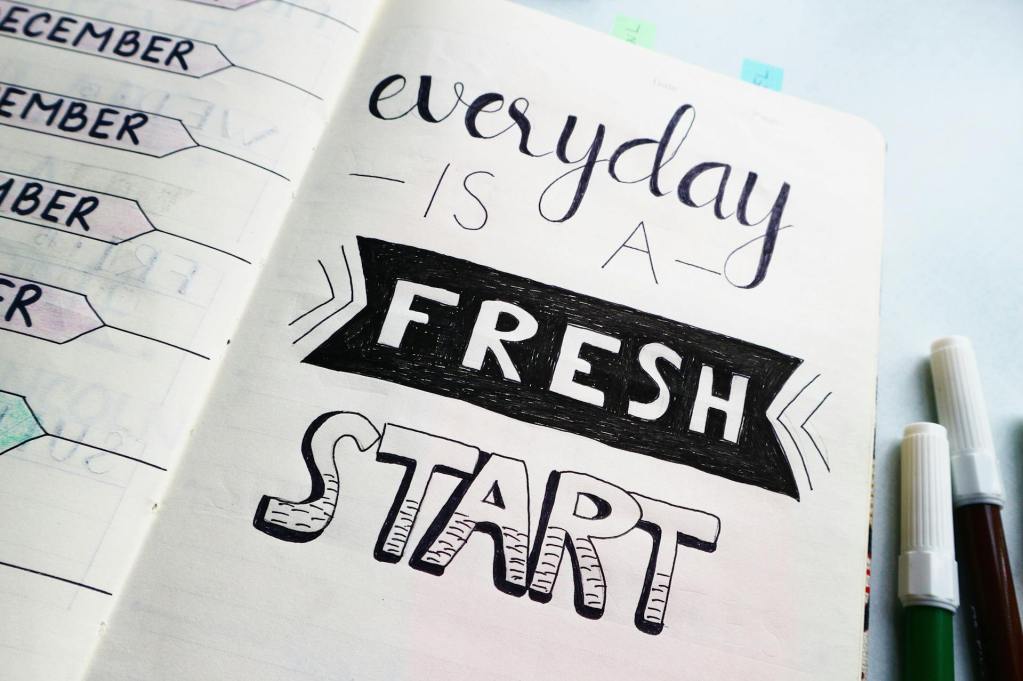
Sample Time Management Plans
These are sample plans. Remember, you want to work with students to create a plan based on their needs. For younger students, they will need your help identifying those needs. For older students, they likely know their needs. Once those needs are identified, make sure the plan is designed specifically to work to remove time sinks (e.g., areas where it is just taking too much time to get something done), keep students productive, and have them see the results in real time so that they can celebrate the success of strong planning!
Intentionally, there is a sample plan for daily, weekly, and monthly. You will want to work with students to create a schedule (daily, weekly, monthly) that works best for them at actually using the time management plan and sticking to it.
Elementary School Students (Ages 5-10)
Sample Daily Schedule
- Morning Routine:
- Wake up, brush teeth, and get dressed.
- Have breakfast.
- Review the day’s schedule with a parent or teacher.
- School Time:
- Attend school or virtual classes.
- Participate actively in lessons and activities.
- Homework Time:
- Set a specific time for homework each day.
- Use a visual schedule to break down tasks into smaller steps.
- Take short breaks between tasks to stay focused.
- Play and Extracurricular Activities:
- Allocate time for play and extracurricular activities.
- Ensure a balance between schoolwork and fun.
- Evening Routine:
- Have dinner with family or simply at the table at a specific time.
- Prepare for the next day (pack school bag, lay out clothes).
- Bedtime routine (bath, storytime/devotion/affirmations/what I am thankful for moments/prayer/etc., and sleep).
Middle School Students (Ages 11-13)
Sample Weekly Schedule
- Goal Setting:
- Set short-term and long-term academic and personal goals.
- Review and adjust goals weekly.
- Daily Planning:
- Use a planner or digital calendar to schedule daily tasks.
- Prioritize tasks based on importance and deadlines.
- Study Time:
- Designate specific times for studying and homework.
- Break tasks into manageable chunks and take regular breaks.
- Extracurricular Activities:
- Balance schoolwork with extracurricular activities.
- Ensure time for hobbies and interests.
- Reflection:
- Reflect on the day’s accomplishments and areas for improvement.
- Adjust the next day’s plan based on reflections.
High School Students (Ages 14-18)
Sample Monthly Schedule
- Advanced Planning:
- Plan the month ahead using a planner or digital calendar. It may be helpful to organize your thoughts in a digital notebook or paper notebook.
- Include important dates, deadlines, and commitments.
- Weekly Review:
- Review and adjust the weekly schedule every Sunday.
- Prioritize tasks and set specific goals for the week.
- Daily Routine:
- Follow a consistent daily routine for school, study, and extracurricular activities.
- Allocate time for self-care, including sleep, exercise, and relaxation.
- Time Management Tools:
- Self-Discipline:
- Practice self-discipline by sticking to the planned schedule. Apps like Streaks are great ways to help stick to good habits!
- Avoid procrastination and manage distractions effectively

Time Management Plans Support Career Success
Time management is a crucial skill for students, but it’s easy to make mistakes along the way. This is why teaching time management through the use of your own plan can be so valuable to a student’s future success, both personally and professionally.
To further illustrate the importance of implementing time management plans in your learning space, let’s explore some real-world applications in various career paths, not commonly seen in school, where strong time management really leads to positive outcomes.
- Horticulture: Cultivating Growth: Horticulturists study plants and their environments to improve crop production and landscape design. Effective time management is crucial for planning planting schedules, conducting research, and maintaining gardens. A horticulturist might create a schedule that includes time for fieldwork, lab analysis, and writing reports. By managing their time effectively, they can make significant contributions to sustainable agriculture and environmental conservation. Check out our instructional plan and free download activity to learn more about this career.
- Photography: Capturing Moments: Photographers capture images that tell stories and evoke emotions. Time management is essential for scheduling photo shoots, editing images, and meeting client deadlines. A photographer might use a digital planner to schedule time for photo sessions, editing, and client meetings. By managing their time effectively, they can create stunning visuals and build a successful photography business.
- Marketing: Promoting Ideas: Marketers develop strategies to promote products and services. Time management is crucial for planning campaigns, conducting market research, and meeting project deadlines. A marketer might prioritize tasks such as creating marketing plans, analyzing data, and coordinating with clients. By managing their time effectively, they can develop successful marketing campaigns and drive business growth.
- Trades: Mastering Skills: Tradespeople, such as electricians, plumbers, and carpenters, require strong time management skills to balance multiple jobs and meet client deadlines. An electrician might create a schedule that includes time for training, job site visits, and equipment maintenance. By managing their time effectively, they can provide excellent service and grow their business.
Help Students Build The Best Career Resume
Take those time management plans and help students explore their careers! Start with our career building resumes, which we have for more than 10 unique career paths!
Let’s Recap
- Time management plans are not for adults or in the project management/business world. They are absolutely valuable tools that can be used to help students strengthen their time management skills and get career ready.
- Creating a time management plan is a process; it has steps. The first step starts with identifying the needs of a student and figuring out how much time it takes to meet that need.
- There are many different ways to implement your time management plan into something tangible. Whatever you do, practice the discipline of converting that plan into something actionable that is repeatable over and over again (e.g. make to-do lists, crossing off priority tasks, reflecting weekly, etc.)
- Real-world applications of time management in various careers highlight the importance of creating a time management plan for students to use.
Resources We Trust And Like
- https://careerhub.students.duke.edu/resources/time-management-guide/ [Why we like this: use some of the resources here to strengthen the type of project management plan you make.]
- https://eop.ucsc.edu/resources/advising-timemanagement.html [ need help figuring out where to start with your time management plan, this has a free resource to get you going.]
- https://cougarsuccess.wsu.edu/building-a-time-management-plan/ [Why we like this: We like short and to the point resources like this. You may find some tips to refine your time management plans for your students.]

Hello There! Nice to meet you 🙂
I am Dr. Danielle Reid. Career education and keeping learning fun really is my jam. No I am not a formally trained career coach. I am the product of a family that did some crazy-amazing career coaching to help me reach my dreams. Nowadays I find myself doing my own career coaching for my three kids, with a lot more knowledge, tools, and resources to share.