Data Literacy For Students

There is a difference between digital and data literacy. It is important to understand the difference so that both skill sets can be fostered in students – at all educational levels. Whether you are a teacher or teaching as a homeschooling parent, understanding how to develop these skills for our students can significantly impact their future success. Let’s explore the importance of digital and data literacy, take a deep dive into what data literacy is, and learn some practical strategies to teach all things data literacy to students… in a relatable way.

What Is Data Literacy?
The formal definition of data literacy includes understanding how to work and use data in a meaningful (and bias free) way. It also includes being able to use data to answer questions through visual methods (e.g. graphs, charts, etc.), evaluating data critically, and interpreting data results through a bias free lens. In our very tech-driven society, even young learners encounter data often, whether through classroom activities, surveys, watching their parents use wearable devices that collects data (e.g. tracking your steps is data), or educational apps. This is what makes the need for data literacy even more important. Here are two distinct ways data literacy may appear in the homeschooling or traditional schooling learning space:
- Classroom: teachers may introduce data literacy through engaging activities like surveys and simple graphs.
- Students might survey their classmates about their favorite fruits, tally the results, and create a bar graph to visualize the data. This process teaches them how to gather data, organize it, and interpret the results.
- Educational tools and apps, such as Seesaw or Google Sheets, can further support these activities by providing interactive platforms for data collection and analysis.
- These tools make learning about data fun and accessible, allowing students to experiment with real-world data in a controlled environment.
- In the homeschool room: parents can reinforce data literacy by involving children in everyday tasks that require data collection and analysis.
- For instance, tracking household chores or monitoring screen time can be practical ways to apply data literacy skills.
- Discussing how data is used in various professions, such as in healthcare to track patient information or in sports to analyze player performance, can also help students understand the broader applications of data literacy.
- By making data literacy a part of their daily lives, parents and educators can equip elementary students with the foundational skills they need to navigate an increasingly data-driven world. This early exposure will set the stage for more advanced data literacy skills as they progress through their education.

Digital Literacy Versus Data Literacy
Digital literacy and data literacy are both essential skills for elementary students, but they serve different purposes and involve distinct activities.
- Digital literacy refers to the ability to use digital tools and technologies effectively. For young learners, this means understanding how to navigate the internet safely, use educational apps, and create digital content like simple presentations or drawings.
- Recall that data literacy is all about recognizing what data is, how to collect it, and how to interpret it.
Notice the difference between two literacy types: digital literacy focuses on using technology. Data literacy emphasizes understanding and analyzing information (from a data source). Both are crucial, especially for critical thinking skill building, but they cater to different aspects of a student’s development.
Digital Career Products…For All Ages
Help your students dream big in a strategic way by exploring the various careers in an easy and fun way. There are a variety of career education resources (worksheets, graphic organizers, and more) in the printables store.


Why Data Literacy Is Important
Data literacy is not confined to the walls of a classroom or learning space. After all, data is part of a student’s everyday life, too. This is what makes data literacy such a valuable skill to strengthen in students. You are equipping them with the ability to understand, interpret, and use data effectively wherever they are exposed to such information – at home, in the community, and at school. In an era where data is ubiquitous, being data literate means students can make informed decisions, solve problems, and think critically about the information they encounter. Whether it’s understanding statistics in a news article, analyzing trends in social media, or interpreting data from a science experiment, data literacy helps students navigate the world more effectively. It fosters a mindset of inquiry and evidence-based reasoning, which are essential skills for academic success and personal growth.
Data Literacy and the Bias Free Zone
Data literacy is a great tool to foster strong critical thinking skills. On a more advanced level it is the responsibility of knowing how to interpret data so that it does not wrongly manipulate findings, lead to results that are simply not true, and/or unfairly misrepresent/mischaracterize populations under study. Now, it is unlikely that young students will be faced with questioning whether the data they use mischaracterize or misrepresent populations under study. But as parents and teachers, we must stay data literate to ensure the data sets our students use for math, reading, and math are bias free and accurate.
Connection To Career Readiness
Another important value of data literacy is its connection to career readiness. When thinking about the workforce, data literacy is increasingly important as many professions now require the ability to collect, use, and/or analyze data. From marketing and finance to healthcare and engineering, the ability to analyze and interpret data is a valuable skill that can enhance job performance. It is also great in boosting a student’s transferable skillset as they use their skills from one job sector and apply it to a completely different job sector.
Data literacy enables individuals to identify patterns, make predictions, and support decision-making processes with concrete evidence. In a competitive job market, having strong data literacy skills can set candidates apart and make them more attractive to employers. It also prepares students for the future, where data-driven decision-making will be a fundamental aspect of most professions.
Starting to teach data literacy to young students in elementary school is essential because it lays the foundation for more advanced skills later on. Early exposure to data literacy helps students develop a comfort level with data and an understanding of its relevance in everyday life. Simple activities, such as collecting and graphing data on classroom projects, can spark curiosity and build confidence.
By integrating data literacy into the curriculum from a young age, educators can ensure that students develop a strong foundation that will support their learning in middle and high school, and ultimately, their success in higher education and the workforce. Early education in data literacy also promotes equity, ensuring that all students, regardless of background, have the opportunity to develop these critical skills.
Data Concepts and The Connection To Data Literacy
There are some key data literacy skills young (elementary) students can develop to grow into this space of being what we call data literate. Recognizing and understanding these concepts are essential for both teachers and parents who aim to support young learners in developing strong data literacy skills. Let’s look at five unique concepts, how they are likely encountered in school by students, and where the data literacy connection exists.
Concept #1: Collecting Data
- Encounter in School: Students will often collect data in the most common space – all things science. For those super creative lessons, there may be opportunities to have students collect data as part of their math assignment too!
- Data Literacy Connection: When students perform such experiments involving data collection they are practicing how to gather accurate data, record observations systematically, and recognize the importance of consistent data collection methods.
Concept #2: Organizing Data
- Encounter in School: Students may have the opportunity to organize data from a class survey, such as favorite books or sports, into categories. They may also organize data as part of a group science experiment where graphic organizers are used.
- Data Literacy Component: By organizing data, students are learning how to sort and categorize data, create tables or charts, and understand how organized data can reveal patterns and trends.
Concept #3: Interpreting Data
- Encounter in School: Students might interpret data from a bar graph showing the number of books read by classmates each month. The most common opportunities to do this will be with a science or math lesson. However, some reading passages may involve the use of data that could require interpretation as a form of reading comprehension.
- Data Literacy Component: With this concept, students focus on strengthening their skills to read and understand graphs and charts, draw conclusions from data, and explain what the data shows in simple terms.
Concept #4: Visualizing Data
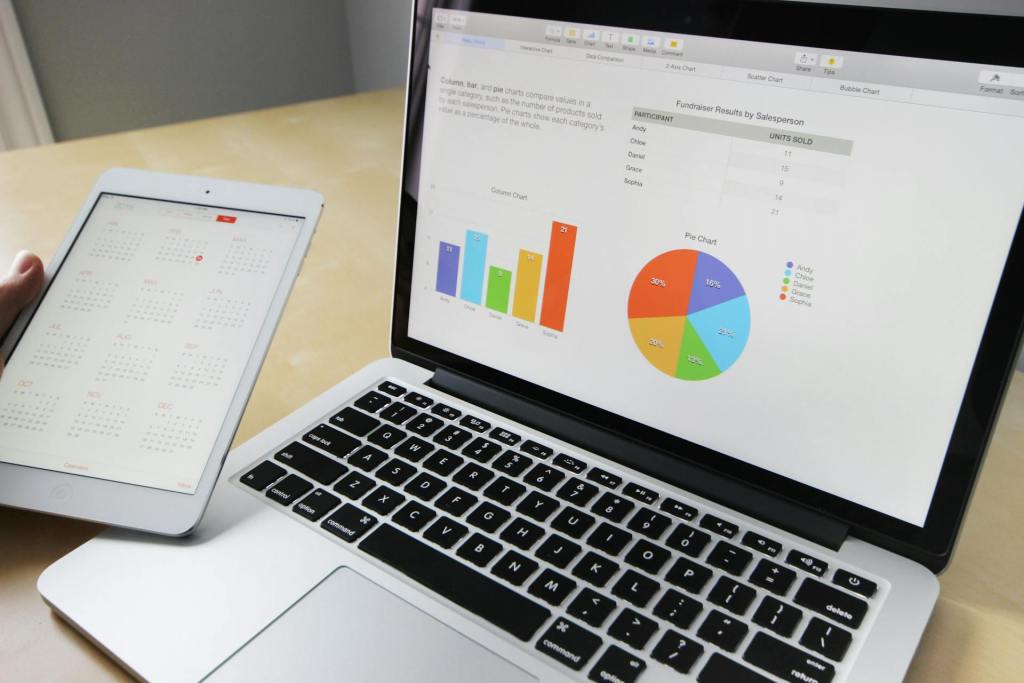
- Encounter in School: This may include students creating visual representations of data, such as pie charts or line graphs, to display results from a class project.
- Data Literacy Component: As students learn to use tools to create visual data representations (also known as data visualization), they will practice understanding different types of graphs and know when to use each type to best represent the data. As a bonus, this is also a great opportunity to teach students about the dangers of manipulating data the wrong way and using data visualization as a tool that spreads inaccurate and/or misinformation.
Concept #5: Analyzing Data
- Encounter in School: Students could analyze data from a classroom experiment, read a passage that requires some sort of data analysis, or perform this task as part of their math assignment.
- Data Literacy Component: When it comes to analyzing data, this often includes an introduction to very basic statistics like solving for the mean, median, and/or mode. Students may also compare data sets and use analysis to make informed decisions or predictions, in a bias-free way.
These are just five of the many concepts that are related to data literacy. By introducing these concepts through engaging, hands-on activities, you can help students build a strong foundation in data literacy, preparing them for more complex data work in the future.
Enhancing Data Literacy In K-12 Learning Spaces
Enhancing data literacy in K-12 learning spaces involves integrating data-related activities and concepts into various educational environments.
- Let’s take a homeschool learning space as an example. In these spaces, parents or caregivers can incorporate data collection and analysis into everyday activities. For example, students can track household chores, observe the rate of growth for a garden they created, or monitor positive habits like drinking more water. Notice that you can easily make these concepts highly personalized to the student. In doing so, students have a higher probability of retaining the data literacy knowledge they are acquiring.
- In a traditional classroom, there is less opportunity to personalize learning. But teachers can lean on project-based learning to engage students with real-world data, like conducting surveys or analyzing class data for a recent science project.
- In a virtual learning space, this is where technology in data literacy becomes highly useful! Educators can leverage online tools and platforms to facilitate data-driven projects and collaborative analysis, ensuring students gain hands-on experience with data in a digital context.
Using the three examples provided above for each learning space, let’s look at some very practical ways to infuse data literacy into what a student is learning.
- Homeschool Room Example: Track household chores or monitor good habits like drinking more water each day.
- Practical Way To Execute This Task: Use a chart to record daily chores or download a kid-friendly app to have students track water intake. Then discuss patterns and trends with your child.
- Traditional Classroom Example: Conduct a class survey on one of their favorite items, like music.
- Practical Way To Execute This Task: Music is very relatable to students, which will make this activity more engaging for them to participate in. Have students collect data, tally results, and create a bar graph to visualize their findings. Use tools like Google Sheets for data entry and graph creation.
- Virtual Learning Space Example: Use online tools for data-driven projects.
- Practical Way to Execute This Task: Leverage platforms like Google Classroom to assign data collection tasks and use collaborative tools like Google Sheets for students to input and analyze data together.

In Action: Three Activities Using Data Literacy
Provided are three examples of activities that offer practical, hands-on experiences to help students develop essential data literacy skills in various learning environments. Consider trying the activity and leave feedback to let us know how it goes!
Homeschool Activity: Weather Data Collection: In a homeschool setting, parents can engage their child in a weather data collection activity. Each day, the child records the temperature, weather conditions (sunny, cloudy, rainy, etc.), and any notable events (like a thunderstorm). Over a month, they compile this data into a simple chart or table. At the end of the month, the child analyzes the data to identify patterns, such as the most common weather condition or the average temperature.
- The objective of this activity is to teach students how to collect and organize data systematically.
- The data literacy connection is understanding how to gather accurate data and recognize patterns over time.
Virtual School Activity: Favorite Book Survey: In a virtual school setting, the teacher can organize a favorite book survey. Each student submits their favorite book through an online form. The teacher then compiles the responses into a shared spreadsheet. Students work in small groups via breakout rooms to create graphs (bar graphs or pie charts) that visualize the survey results. They then present their findings to the class in a virtual meeting.
- The objective of this activity is to teach students how to collect, organize, and visualize data.
- The data literacy connection is learning to use digital tools for data collection and creating visual representations of data.
Traditional Classroom Activity: Classroom Plant Growth Experiment: In a traditional classroom with several students, the teacher can conduct a plant growth experiment. Each student plants a seed and records the growth of their plant over a few weeks, measuring height and noting any changes. The class compiles all the data into a large chart, comparing the growth rates of different plants. Students then analyze the data to determine factors that might influence plant growth, such as sunlight or watering frequency. If you are interested in turning this entire experiment into a virtual one, this resource might be useful!
- The objective of this activity is to teach students how to collect, organize, and analyze data.
- The data literacy connection is understanding how to interpret data and draw conclusions from real-world experiments.
Resources We Trust And Like
- Why Data Literacy Is Important [Why we like this: This resource does a great job explaining the basics about data literacy so that you can implement this in your own learning space with confidence!]
- Boosting Data Literacy Skills [Why we like this: You will find some really practical suggestions to make data literacy stand out in your next lesson plan, class or group session.

Hello There! Nice to meet you 🙂
I am Dr. Danielle Reid. Career education and keeping learning fun really is my jam. No I am not a formally trained career coach. I am the product of a family that did some crazy-amazing career coaching to help me reach my dreams. Nowadays I find myself doing my own career coaching for my three kids, with a lot more knowledge, tools, and resources to share.