Developing Soft Skills In Kids
One of the most well-known terms in career education is soft skills. Most often, by default, career education and soft skills are commonly exchanged when people talk about all things career learning. But rightfully so, we should naturally flow these two words together when discussing career education. Why? Soft skills are vitally important not just for the workforce but for life in general too! These skills help us in times of socialization as we communicate. They shine bright when our personal attributes are used in various settings. They are essential in complementing hard skills like technical knowledge. That is what this blog unpacks – what is a soft skill, why we should even focus on strengthening them in students, and the impact they impart on both personal and academic life.
Defining Soft Skills from Youth to Career
At A Young Age
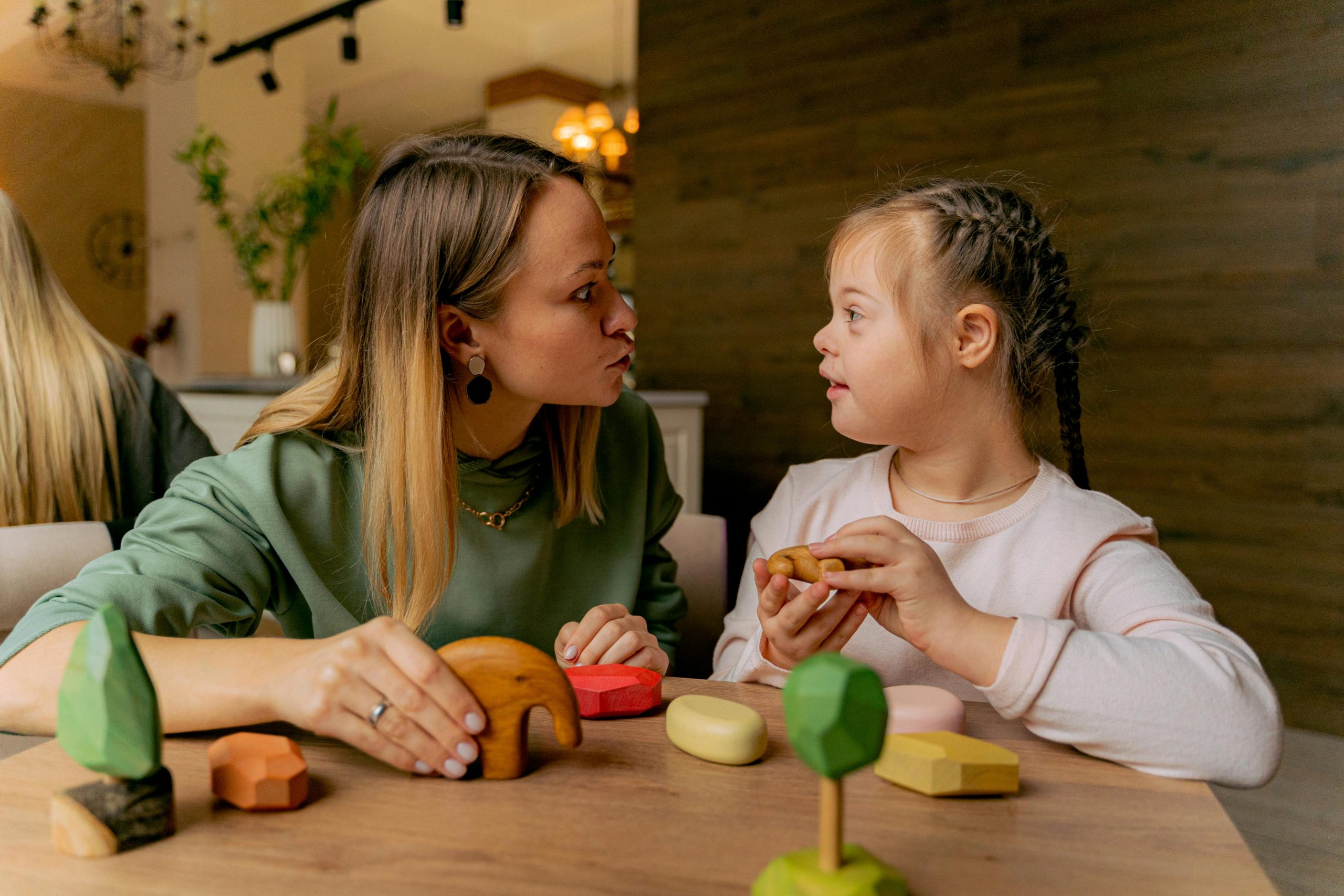
When kids are young, soft skills development begins with basic social interactions and play. As you read through each of these examples note the soft skill highlighted in bold. Consider how you would identify this soft skill in your student (or student) as a career coach. Identifying such skills is a critical step toward selecting the right career education tools and resources to help students strengthen those skills and get career-ready.
- Communication skills are nurtured as students learn to express their needs, share their thoughts, and listen to others. Through play, they develop teamwork and cooperation, learning to take turns, share toys, and work together towards common goals.
- Problem-solving skills emerge as students encounter challenges in their play and find creative solutions.
- Adaptability is fostered as they adjust to new routines, environments, and social situations.
- Emotional intelligence starts to develop as students recognize and manage their own emotions and begin to understand the feelings of others.

As career coaches (parents, caregivers, and teachers), we play a crucial role in modeling and teaching these skills. It is also our responsibility to create a safe and supportive learning space for students to practice and strengthen these skills. Encouraging positive interactions, offering praise for cooperative behavior, and guiding students through conflicts help lay the foundation for strong soft skills that will benefit them throughout their lives.
As Teens
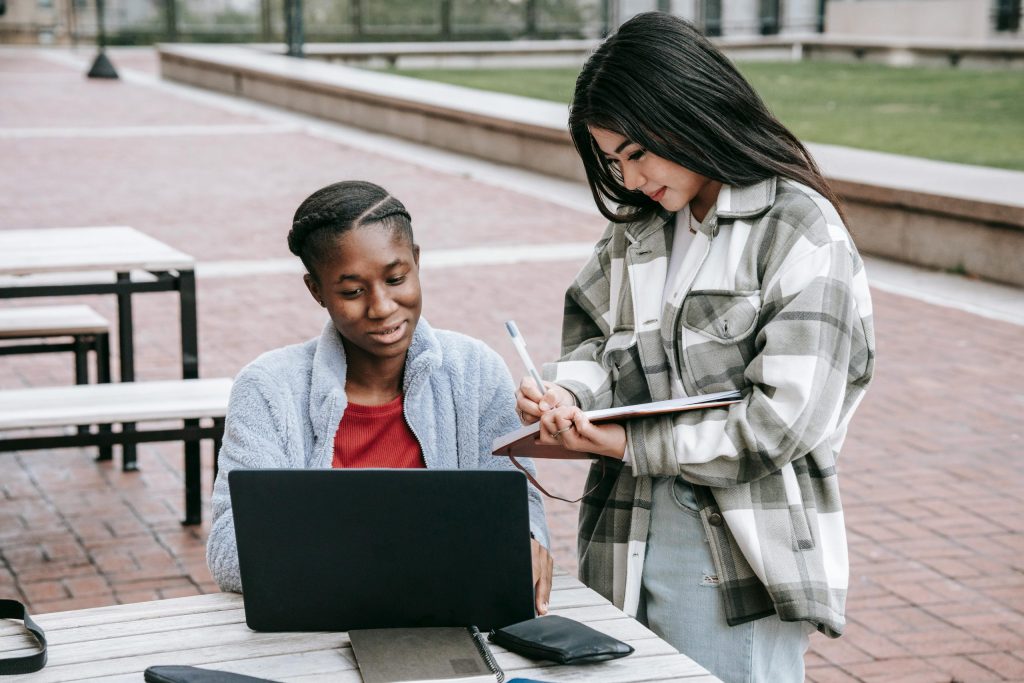
During the teenage years, soft skills naturally become more refined and critical for personal and academic success. Those same skills we identified and discussed for young students, let’s see how they evolve as students transition to teens.
- Communication skills are further developed as teens engage in more complex conversations, present ideas in school, and navigate social media.
- Teamwork is emphasized through group projects, sports, and extracurricular activities, where teens learn to collaborate effectively and manage group dynamics.
- Problem-solving and critical thinking are honed through challenging coursework and real-life situations, preparing teens for future academic and career endeavors.
- Adaptability is essential as teens face changes in their social circles, academic pressures, and future planning. Emotional intelligence becomes more sophisticated, with teens learning to manage stress, build empathy, and maintain healthy relationships.
As career coaches, this is when our support and mentoring really kick into high gear! We should continue to support this development by providing guidance, setting expectations, and encouraging the independence of our student teens. By fostering these soft skills, teens will be empowered to make informed decisions as they embark on navigating this transition into adulthood and the workforce. They will also walk in confidence ,making those decisions!
Soft Skills In Career Life
All of us go through that transition – from the classroom to the workforce. Soft skills that were developed throughout youth and as a teen really get put to the test when this transition occurs. It is that make-or-break moment, where we see soft skills shine as we apply for jobs and stand out at job interviews. They become extremely useful as we enhance professional interactions, thrive in teamwork environments, and continue to strengthen our problem-solving abilities. Taking the same examples from earlier, let’s see how some of these soft skills show up in a student’s future career self.
- Effective communication is essential for presenting ideas, negotiating, and building relationships with colleagues and clients. Teamwork and collaboration skills enable professionals to work harmoniously in diverse teams, leading to innovative solutions and increased productivity.
- Problem-solving and critical thinking are vital for navigating workplace challenges and making informed decisions.
- Adaptability learned in youth helps professionals adjust to changing work environments and embrace new technologies.
- Emotional intelligence, developed from a young age, allows individuals to manage stress, understand others’ emotions, and resolve conflicts effectively.
The foundation of soft skills built during those early (and impressionable) years of being youth, all the way through adolescence, reaffirms their impact and importance in career life. Such skills help ensure adult individuals can thrive in their professional roles and contribute positively to their organizations. By continuously developing these skills, professionals can achieve career success and build fulfilling, long-lasting careers.

Taking A Closer Look at Soft Skills
You were introduced to several different types of soft skills. We like this running list of soft skills and more than 40 examples of them in action. Adding to this, here is our closer look at these soft skills in action.
Communication Skills: Communication is one of those fundamental skills we all must develop throughout our lifetime.
- It encompasses verbal, non-verbal, and written communication.
- Effective communication allows individuals to convey their ideas clearly, listen actively, and build strong relationships.
- In the workplace, good communication skills can lead to better teamwork, fewer misunderstandings, and more efficient problem-solving.
Teamwork and Collaboration: If you think about it, teamwork starts from a very early age when you have a playdate or interact with your siblings/cousins/friends. Teamwork involves working effectively with others towards a common goal.
- It requires cooperation, flexibility, and the ability to share responsibilities.
- In both academic and professional settings, teamwork is essential for completing projects, fostering innovation, and achieving success.
- Collaborative skills help individuals leverage diverse perspectives and strengths, leading to better outcomes.
Problem-Solving and Critical Thinking: Problem-solving and critical thinking are crucial soft skills that we truly do not emphasize enough in school. It could be for many reasons, but one consensus is how we encourage the strengthening of this skill in school settings as described here.
- This skill is so vital because it enables individuals to analyze situations, identify challenges, and develop effective solutions.
- These skills are valuable in every aspect of life, from academic assignments to workplace projects.
- By honing problem-solving abilities, individuals can approach obstacles with confidence and creativity.
Adaptability and Flexibility: Adaptability is the ability to adjust to new situations and changes. The reality is that technology is rapidly advancing. Our economic shifts have caused many people to pivot more than before. Pivoting from one career path to another, one degree to a new one, all rely on this soft skill of being adaptable.
- Whether it’s learning new technologies, adjusting to different work environments, or handling unexpected challenges, adaptability helps individuals stay resilient and thrive in various circumstances.
Emotional Intelligence: Emotional intelligence (EI) is the ability to understand and manage one’s own emotions and the emotions of others. We can acquire this through many ways, including the often controversial social and emotional learning techniques mentioned in school settings. Regardless of how you encourage students (or yourself!) to strengthen this skill, just know the work put in pays off in dividends for career development purposes.
- High EI leads to better interpersonal relationships, effective conflict resolution, and improved leadership skills.
- In both personal and professional contexts, emotional intelligence helps individuals navigate social complexities and build strong, supportive networks.
Time Management and Organization: This is a nod to all of our project management and productivity influencers out there! Time management and organizational skills are essential for balancing multiple responsibilities and meeting deadlines. Check out the blog series on time management, where we take a very deep dive into what this looks like in all three stages of career development.
- These skills involve setting priorities, planning tasks, and managing time efficiently.
- Good time management leads to increased productivity, reduced stress, and a better work-life balance.
Leadership and Influence: Leadership is not just about holding a position of authority; it’s about inspiring and guiding others toward a common goal.
- Effective leaders possess a range of soft skills, including communication, empathy, and decision-making.
- Leadership skills are valuable in all areas of life, from leading a team at work to organizing community events.
Conflict Resolution: Conflict resolution involves addressing and resolving disagreements in a constructive manner.
- It requires active listening, empathy, and negotiation skills.
- Effective conflict resolution leads to healthier relationships, improved teamwork, and a more positive environment in both personal and professional settings.
Building and Maintaining Relationships: Building and maintaining relationships is a key aspect of soft skills.
- Strong relationships are built on trust, respect, and effective communication. In the workplace, good relationships lead to better collaboration and a more supportive atmosphere.
- In personal life, they contribute to emotional well-being and a sense of belonging.


Impact and Strategies for Development
Soft Skills that we have discussed, like communication, help students excel in their studies. They truly set students up for academic success. Teamwork and problem-solving abilities enhance group projects and collaborative learning experiences. By developing such soft skills, students can achieve better academic outcomes and prepare for future careers.
Strategies for Developing Soft Skills
Developing soft skills requires intentional effort and practice. Here are some strategies to help individuals enhance their soft skills:
- Join Extracurricular Activities: Participate in clubs, sports teams, or volunteer groups to build teamwork and leadership skills.
- Practice Active Listening: Focus on truly understanding what others are saying before responding to improve communication skills.
- Engage in Group Projects: Collaborate with classmates on assignments to enhance problem-solving and teamwork abilities.
- Set Personal Goals: Establish specific, measurable goals for developing soft skills and track progress over time to stay motivated.
- Seek Feedback: Ask for constructive feedback from teachers, peers, and parents to identify areas for improvement and grow your skills.

The Role of Career Coaches in Developing Soft Skills
You have all the information needed to define a soft skill. You know how to identify them in your students, at their various ages. But what exactly is your role in developing these skills? Here are some ways we as career coaches can support this development (HINT: most of what you do starts with being an example and demonstrating how to lean on these soft skills to navigate personal and professional life):
- Model Soft Skills: Demonstrate effective communication, empathy, and problem-solving in everyday interactions.
- Encourage Participation: Encourage students to participate in extracurricular activities, clubs, and team sports.
- Provide Opportunities for Practice: Create opportunities for students to practice soft skills in real-life situations.
- Offer Constructive Feedback: Provide specific, constructive feedback to help students improve their soft skills.
- Teach Conflict Resolution: Teach students how to resolve conflicts peacefully and constructively.
Implementing In Different Learning Spaces:
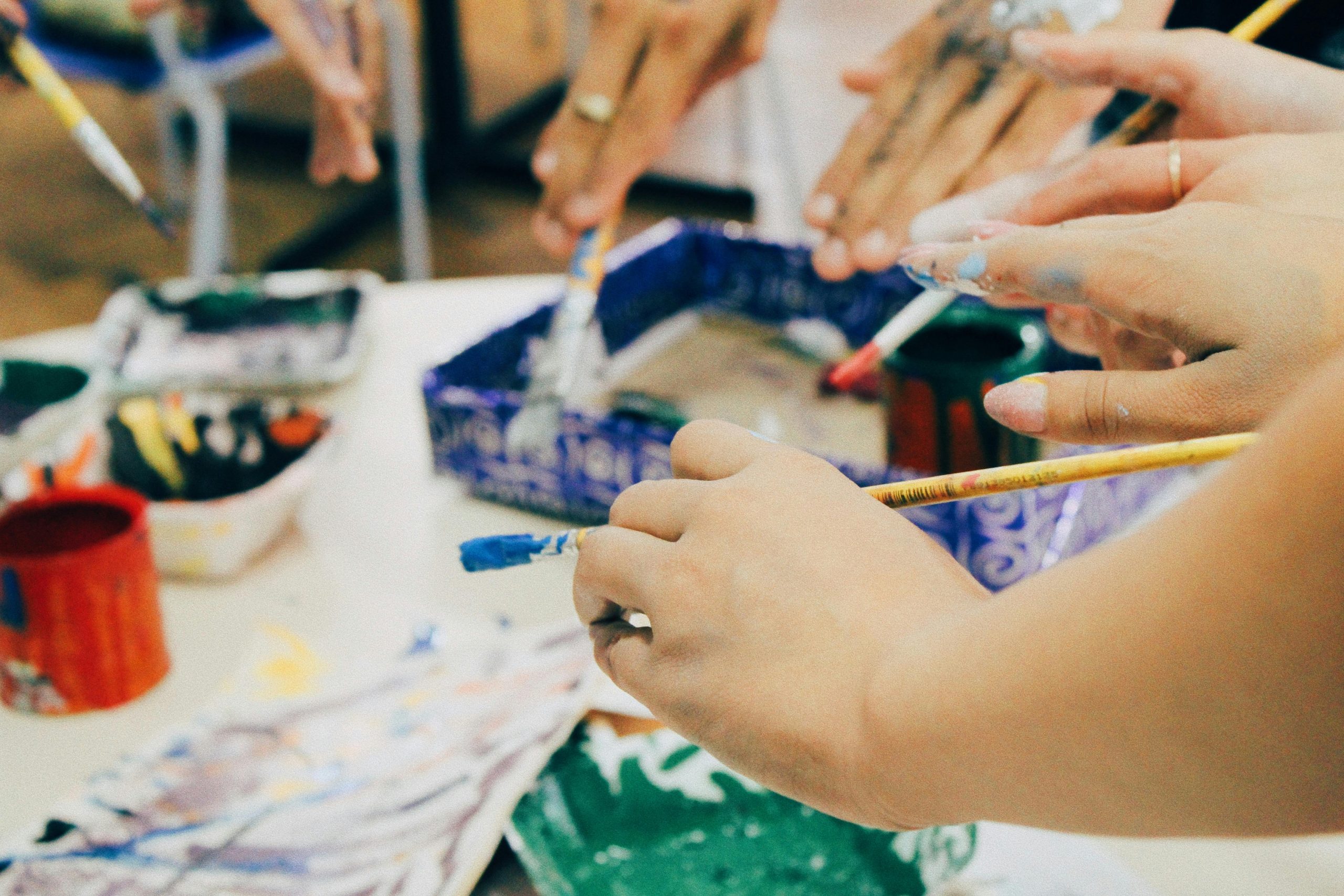
We have a wide range of learning spaces that students can thrive in nowadays. Use this information as practical guidance to help teach your students about soft skills in your unique learning space!
In Homeschool Spaces
In a homeschool setting, soft skills can be taught through interactive and practical activities. Parents can create a nurturing environment where students practice essential skills daily. For example, role-playing scenarios allow students to practice communication and conflict resolution in a safe space. Family projects like gardening or cooking help develop teamwork and problem-solving skills as everyone works together towards a common goal. Additionally, participating in community service projects builds empathy and adaptability by exposing students to diverse experiences and challenges. These hands-on activities provide valuable opportunities for homeschool students to develop and strengthen their soft skills.
- Role-Playing Scenarios: Set up a scenario where one student plays a customer and another plays a store clerk. They practice greeting, asking questions, and resolving pretend issues, enhancing communication and conflict resolution skills.
- Family Projects: Plan a family cooking night where each member has a specific role, such as chopping vegetables or setting the table. This encourages teamwork and problem-solving as they work together to prepare a meal.
- Community Service: Organize a neighborhood clean-up day where students help pick up litter and interact with community members. This activity builds empathy and adaptability by exposing them to different perspectives and environments.
In The Traditional Classroom
In a traditional classroom, soft skills can be developed through structured and collaborative activities. Structure is key, considering life is busy in that classroom, and a teacher’s ability to be a career coach to 30+ students (with varying character traits) is simply not practical. Teachers can facilitate an environment where students engage in meaningful interactions and teamwork. Group discussions on various topics enhance communication and critical thinking as students share their perspectives and listen to others. Team projects require students to collaborate and solve problems together, fostering teamwork and creativity. Implementing peer feedback sessions allows students to give and receive constructive feedback, improving their emotional intelligence and self-awareness. These activities help students practice and refine their soft skills in a supportive classroom setting.
- Group Discussions: Divide the class into small groups and assign each group a topic related to the lesson. Students discuss the topic and present their conclusions to the class, practicing communication and critical thinking.
- Team Projects: Assign a project where students must create a poster or presentation on a specific subject. Each student has a role, such as researcher, designer, or presenter, fostering teamwork and creativity.
- Peer Feedback: After completing an assignment, have students exchange their work with a partner and provide constructive feedback. This helps improve emotional intelligence and self-awareness as they learn to give and receive feedback respectfully.
In Virtual Learning Spaces
In a virtual learning space, soft skills can still be nurtured even though physical interactions with people are lacking. The key is to lean on self-directed activities. Teachers and parents can create opportunities for students to engage and collaborate online. Virtual group work allows students to collaborate using online tools, developing teamwork and communication skills. Online debates on relevant topics help students practice communication and critical thinking in a digital format. Encouraging students to keep digital journals allows them to reflect on their learning experiences and emotional growth, enhancing their self-awareness and emotional intelligence. These activities provide a platform for students to develop soft skills in a virtual environment.
- Virtual Group Work: Use a platform like Google Docs or Zoom to assign a group project. Students collaborate online to research and create a presentation, practicing teamwork and communication.
- Online Debates: Organize a debate on a current event or relevant topic using video conferencing tools. Students take turns presenting their arguments and responding to others, enhancing communication and critical thinking.
- Digital Journals: Encourage students to keep a digital journal using a tool like Google Keep or Microsoft OneNote. They reflect on their daily experiences and emotions, improving self-awareness and emotional intelligence.
Resources We Trust And Like
- ZERO TO THREE [ why we like this: you’ll find a comprehensive collection of resources focused on early student development. We like this resource because it provides practical tips and activities tailored to different age groups, making it easy for you to find relevant information.
- Homeschool Toolbox [ why we like this: offers insights into teaching soft skills within a homeschool environment. You’ll find that this is specifically designed for homeschool settings, offering tailored advice and hands-on activities that you can easily integrate into your daily routine.]

Hello There! Nice to meet you 🙂
I am Dr. Danielle Reid. Career education and keeping learning fun really is my jam. No I am not a formally trained career coach. I am the product of a family that did some crazy-amazing career coaching to help me reach my dreams. Nowadays I find myself doing my own career counseling for my three kids, with a lot more knowledge, tools, and resources to share.