Micro – Habits That Get Homework Started In 5 Minutes

Your Cliff Notes
- Starting homework is an executive function skill; it is not a willpower test. Shrinking the “start line” to do the work makes the action easier.
- Use a five‑minute micro‑habit: open the planner, choose one tiny first action, set a short timer, and stop without guilt when it ends.
- Pair the start with if‑then cues, body‑doubling options, and micro‑breaks to reduce friction and build momentum.
- Keep materials in one simple system (“To Do / In Progress / Done”). Always include a reflection period to set the stage for tomorrow’s or next week’s plan.
- Track two signals—time‑to‑start and missing‑work count—to see progress and celebrate wins.
Ok – so let’s keep it 100%…homework really can involve a love/hate relationship with some (not all) students. It’s also fascinating that homework can evoke such strong emotions! In some households (or classrooms), if you mention homework, you may get a collective grunt/sigh/scream/roll of the eyes. In other households (or classrooms), you may have students simply smile, ask a ton of questions, and genuinely hype themselves up to not just do the work but get that A.
Wherever your student lies on the spectrum of loving or hating homework, the reality is that homework does NOT have to be so polarizing. For many students in grades 6–10, the hardest part isn’t the math problem or the paragraph to write—it’s decision fatigue. Oftentimes, students have trouble simply trying to decide what the first move needs to be! Do I start with my math work first, or do the writing? That “stuck at the starting line” feeling has more to do with executive function than with motivation. When tasks feel vague, big, or scattered across materials, the brain protects itself with avoidance. The solution is not more pep talks—it’s a smaller start.
This blog lays out a gentle, repeatable way to begin homework in just five minutes. Yes, you heard that right – five minutes! We know you are thinking – “how in the world is that even possible?!” The secret includes: 1. the use of micro‑habits (tiny, reliable actions), 2. if‑then cues that automate the first step, and 3. short focus windows supported by simple organization.

Why Homework Starts (or Stalls): Shrinking the Start Line
Task initiation is an executive function skill that depends on:
- working memory (holding instructions long enough to use them)
- inhibitory control (resisting distractions long enough to begin)
- cognitive flexibility (adjusting when a step feels unclear).
When those capacities are overloaded (ahem, we see you… fuzzy directions, scattered papers, and/or worry), the start feels heavier than it should.
We lighten the start by reducing decisions and making the first action obvious.
Here’s the easiest test for a solid start: could a 6th grader complete a task in under a minute without searching? Strong first actions look like:
- open the page and write the header
- copy problem #1 and circle givens
- underline key words in the prompt
- define two vocabulary terms in your own words
- write a starter sentence that names your claim.
Such moves anchor attention in the present and lower anxiety, which is why students often keep going after the first minute.
Your Learning Space Environment Matters.
- Use one binder or folder divided into “To Do,” “In Progress,” and “Done/Reference.”
- Keep only active pages in “To Do.”
- Include a pencil pouch in the binder to hold the necessary supplies to do the work
- Include the components of a planner (e.g., school calendar, notes, etc.)
Keeping everything in one binder is key. When everything for the start lives together, there’s no wandering around the house or the classroom hunting for supplies. The start becomes a routine, not a mystery.
5 minutes is really all the time you need
Wrap the homework start in a tiny promise: five minutes. A short, protected interval is far more approachable than “do homework until it’s finished.” After five minutes, have students extend for another five or for whatever time block you have set with your student to get a work session completed. The purpose is to make “begin” feel kind, quick, and consistent.
Let’s Look at the Science of It All: Why 5 minutes matter
Starting is often the hardest part of any task. This is especially true for students staring down a big assignment. A five‑minute start shrinks that mental barrier. Instead of “finish all your homework,” the goal becomes “just begin for five minutes.” That tiny commitment feels doable, and once students get moving, momentum kicks in. The bigger lesson in all of this – we are teaching students the power of micro habits!
Micro habits train the brain to link action with progress, not perfection. Over time, it’s the routine that builds confidence: “I can start, even when it feels hard.” It also reduces procrastination because the first step is clear and low‑pressure. The best part? Five‑minute starts often lead to longer work sessions naturally, but even if they don’t, students still win—they’ve opened the book, written the header, and taken control of their learning.

The Five‑Minute Start: A Micro‑habit Routine You Can Repeat Daily
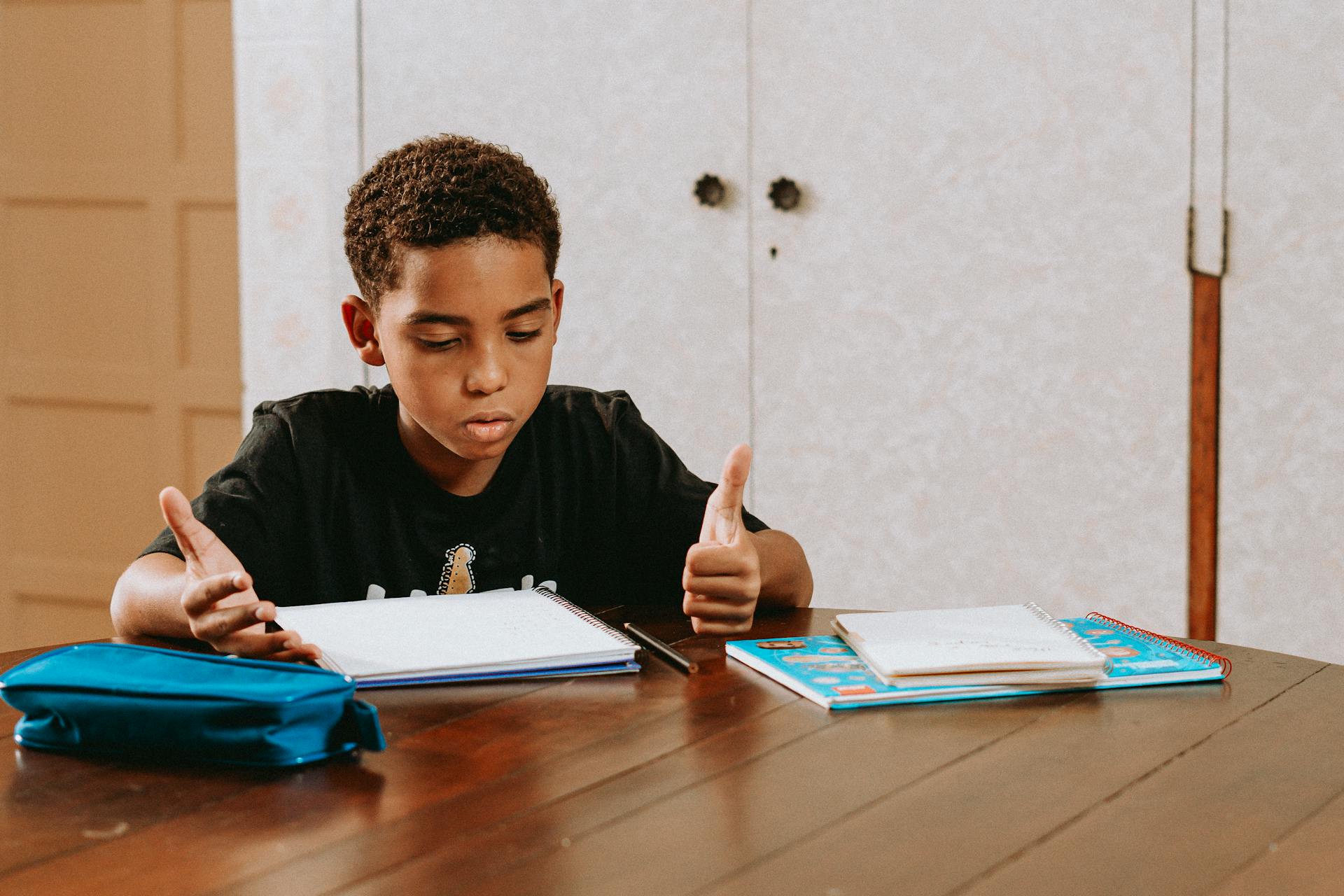
Here is a routine at the start of homework that you can try with your student. Try using this at home or during the first minutes of class. As you introduce this process, try to keep the tone fun, empowering, and exciting. Remind students that the steps are predictable and all they need is 5 minutes to start!
- Open (60 seconds): Place the planner on top of the binder. List three must‑dos for today and circle one tiny first action (write header, copy problem #1, underline the prompt).
- Materials check (30 seconds): Binder open to “To Do”; right page ready; pen uncapped. Phones away; extra tabs closed.
- Focus window (5 minutes): Work the tiny first action and the next easy step. If the task requires thinking time, draft a starter sentence or outline two bullets before you continue.
- Close (60 seconds): “Label and park”—label what’s done (move to “In Progress” or “Done”); park tomorrow’s first step in the planner; place materials behind the right tab.
Tips To Personalize Your Students five‑minute start with quick examples:
- Reading: open to the right page, read the first paragraph, highlight one sentence, write a three‑word summary.
- Math: copy one problem carefully, circle the givens, write the first operation, solve or set up the next step.
- Writing: type the title, add a thesis scaffold (topic + claim + because), and draft two bullets that support it.
- Science: list materials for the lab, sketch labels on the diagram, and define two key terms before continuing.
Pro tip: If energy is steady, stack two starts: complete the first window, breathe, then choose one more tiny step and set a second timer. Two short wins often beat one long, unfocused session.

Micro‑habits Toolbox for Different Learning Spaces
Students succeed faster when the same language and steps appear everywhere—home, school, and virtual spaces. Use these quick tools to make initiating tasks feel natural.
At Home
- Anchor habit: Link the start to something you already do (“After I put my backpack down, I open my planner”). The anchor removes the need to remember.
- Two‑column plan (“Steps / Time”): Estimate minutes for each tiny step, then test the estimate. Accuracy improves across the week and builds time‑awareness.
- Retrieval warm‑up (2 minutes): Before new homework, recall three facts or solve one earlier example, then check quickly. Warm‑ups lower anxiety and make starting feel familiar.
- Body‑doubling: Work alongside a parent, sibling, or virtual buddy during the first five minutes. Share the tiny first action and the micro‑goal, then start quietly.
At School
- Daily kickoff (2 minutes): Whole‑class “Open”—everyone writes three must‑dos and circles a tiny first action. Teacher scans for clear starts, not full plans.
- Cornell cue jumpstart (3 minutes): Students add cue questions to today’s notes and answer one. Starting with a small retrieval step eases into bigger work.
- Quiet focus windows (5 minutes): Protect a short interval with phones down and materials staged. End with “label and park” to reduce end‑of‑class rush.
- Movement setup (rare use): If a student needs movement to initiate, allow a quick walk and return with a micro‑goal written in the planner.
Virtual & Hybrid Spaces
- Distraction guard: Close extra tabs, silence notifications, and place the planner next to the keyboard. Use a physical timer on the desk.
- Digital “To Do / In Progress / Done”: Mirror the binder with three folders in Google Drive or OneDrive. Keep active files in “To Do” only.
- Five‑minute co‑work: Join a brief video call with a friend. Each states the first action; the timer starts; mics off. End with “label and park”.
- Micro‑breaks: Stand and stretch for 30–60 seconds after each focus window. Return for one more tiny step.
Troubleshooting & Sustainment (Without Tears)
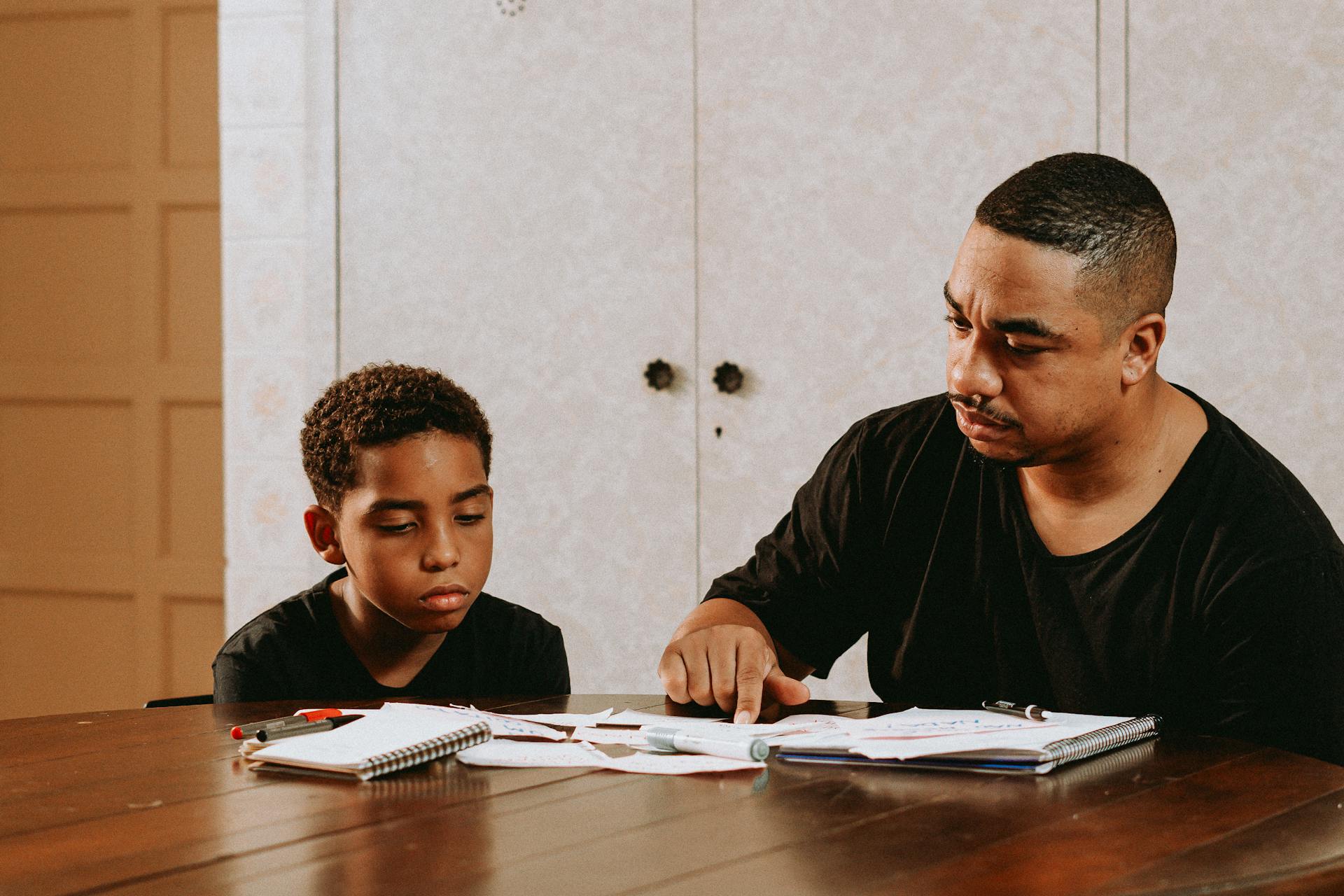
When the start still feels sticky, the goal is not to push a student to “work harder”. Instead, let’s focus our energy on identifying and removing the friction that is leading to the “stickiness” in the first place. To help you remove the friction, consider these quick fixes for common roadblocks so students can begin minus the drama:
- “I don’t know where to start.” → Shrink the first action (write the title; copy problem #1). If instructions are vague, create a cue question and answer it in one sentence.
- “I keep getting distracted.” → Stage the desk before you begin; put the planner on top; use a visible timer. Try body‑doubling for the first five minutes.
- “Five minutes isn’t enough.” → Start with five anyway, then add one more five‑minute window. Two short intervals beat one long, unfocused session.
- “My binder is chaos.” → Reset to three sections only. File “Done” behind the correct tab, keep just today’s pages in “To Do”, and park the first step for tomorrow at close.
- “I feel anxious before homework.” → Take a 30‑second box‑breathing pause, then write a starter sentence to prove you’re moving. Reward completion of the start, not the entire assignment.
- “I forget what worked.” → Track two signals: time‑to‑start (minutes from sitting down to first action) and missing‑work count by week. Watch the trend improve.
Your Coaching Prompts That Build Independence
Teachers and parents, remember we are career coaches in our student’s lives. We can spark these homework starts without micro‑managing. Here are a few short, consistent prompts you can use to help make that possible. In your learning space, as you implement this homework start try saying these prompts:
- “What’s your tiny first action?” (Student names a one‑minute step.)
- “Timer first, then start.” (Student sets five minutes; begins immediately.)
- “Label and park.” (At the end, the student files work and writes tomorrow’s first step.)
- “Where will this live?” (Student places materials behind the correct tab to avoid clutter.)
Advanced Anchors & Temptation Bundling
To make the five‑minute start feel inviting on tough days, attach it to a reliable anchor and a tiny reward. Choose an anchor you never skip (after brushing teeth, after snack, after arriving home). Then pair the start with something pleasant: a favorite instrumental track, a warm drink, or one minute of stretching. This “temptation bundling” turns the first step into a cue for something you enjoy, which helps neutralize avoidance and keeps starts consistent across the week. Example recipes to share with students:
- After I eat my snack, I set a five‑minute timer and write my starter sentence while my lo‑fi playlist runs.
- After I unpack my backpack, I open my planner and copy problem #1. When the timer ends, I take a one‑minute stretch break before deciding whether to continue.
Let’s Recap
- Students start faster when the first action is tiny, clear, and paired with a short timer.
- A five‑minute micro‑habit routine—open → first action → focus window → “label and park”—creates momentum without tears.
- Keep systems simple and celebrate small wins. Continuity across home, school, and virtual spaces makes task initiation feel automatic.
- Tagged task initiation, executive function activities, study skills for middle school, organization skills for students, time management for students

Hello There! Nice to meet you 🙂
I am Dr. Danielle Reid. Career education and keeping learning fun really is my jam. No, I am not a formally trained career coach. I am the product of a family that did some crazy-amazing career counseling to help me reach my dreams. Nowadays I find myself doing my own career counseling for my three kids, with a lot more knowledge, tools, and resources to share.