My Plans Do Not Include College

Choosing a path after high school that doesn’t include college can be both exciting and intimidating. For many, college is seen as the default next step, and deviating from this path can feel like you are doing something against societal norms, especially if you don’t have a family blueprint to guide you. Also let’s compound this against what our world has turned into regarding the necessity to go straight to college after high school, which always is not the best for everyone. For many, college readiness is exactly what you need in high school. But if you do not have the urge to embrace college readiness just know this is an OK feeling. You still need to have a strategy! This blog walks through why having a strong strategy will help you navigate this journey successfully and find success in securing a fulfilling career.

What This Transition Might Look Like
If your plans after high school don’t include college, you’re not alone. There are many paths to success, and college is just one of them. Whether you’re considering vocational training, starting a business, or entering the workforce, there are plenty of opportunities to pursue your passions and build a fulfilling career. Let’s look at a few. Remember we are only scratching the surface with the possibilities. You have graduated from high school – the sky is the limit!
- Vocational training programs offer specialized education in fields like healthcare, technology, and trades. These programs can provide hands-on experience and certifications that prepare you for specific careers. Research different programs and find one that aligns with your interests and goals.
- Starting a business is another exciting option. If you have a passion for entrepreneurship, consider developing a business plan and seeking mentorship from experienced professionals. There are numerous resources available to help young entrepreneurs succeed.
- Entering the workforce directly can also be a rewarding path. Look for entry-level positions in industries that interest you. Gaining work experience can help you develop valuable skills and build a professional network.
No matter which path you choose, remember that success is defined by your personal goals and aspirations. Pursue what makes you happy and motivated. Stop limiting yourself! And for goodness sake, do not be afraid to take unconventional routes. Sometimes those very routes will lead to amazing opportunities, blessings, and the exact steps you need to achieve your dream!

Why This Transition Is Intimidating
Transitioning to the real world after high school without going to college can be intimidating due to the lack of structure and guidance that educational institutions typically provide. This intimidation exists because society often places a high value on higher education, viewing it as a necessary step toward success. Statistics show that a significant majority of high school graduates, approximately 61.4% in 2023 enroll in college immediately after graduation (resource here.). Here are three specific reasons why you may be feeling the pressures of going to college right after graduating:
- Societal Expectations: Society often places a high value on college education, and choosing an alternative path can sometimes feel like going against the norm. This can lead to feelings of uncertainty and doubt about whether you’re making the right decision.
- Lack of Guidance: Without a family blueprint or role models who have taken non-college paths, it can be challenging to know where to start. The absence of a clear roadmap can make the process seem overwhelming.
- Fear of the Unknown: Venturing into uncharted territory can be scary. The fear of making mistakes or not finding success can be a significant source of anxiety.
- Financial Concerns: Without the structure of a college program, there may be concerns about financial stability and how to support yourself while pursuing alternative paths.
Identifying the root causes attached to the pressures of going to college can actually be very empowering. Such information can help you rationalize the decision you are choosing to make, whether it is not going to college at all or choosing to go to college at a later time. Everyone’s journey is unique, and success can be achieved through various paths, including direct entry into the workforce, vocational training, or entrepreneurship. Embracing your transition (whatever it looks like for you -and nobody else!) with resilience and seeking out resources for support can help navigate this challenging yet rewarding part of your career journey.


Having a Strategy Is Important!
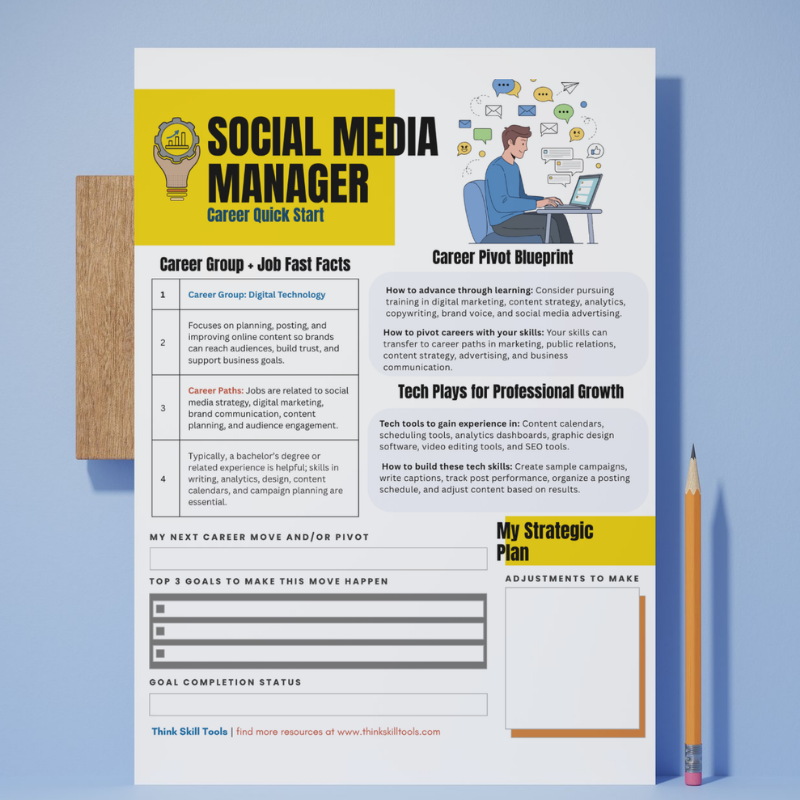
Now if you have been around Think Skill Tools long enough, you know we advocate very strongly for thinking strategically on your career journey. You cannot just haphazardly jump into your next steps with career planning without, well, a plan! Having a strong strategy is crucial when your plans don’t include college. Here are some key components to consider. Use this to help create your own strategic plan:
- Self-Assessment: Start by understanding your interests, strengths, and values. What are you passionate about? What skills do you excel in? This self-awareness will help you identify potential career paths that align with your abilities and interests.
- Research: Take the time to explore different industries and careers. Look into job descriptions, required qualifications, and potential growth opportunities. Online resources, career fairs, and informational interviews can provide valuable insights.
- Set Clear Goals: Define your short-term and long-term goals. What do you want to achieve in the next few years? Setting clear, achievable goals can help you stay focused and motivated.
- Seek Mentorship: Find mentors who can provide guidance and support. This could be teachers, professionals in your field of interest, or community leaders. Mentors can offer valuable advice, share their experiences, and help you navigate challenges.
- Gain Experience: Look for opportunities to gain practical experience. Internships, apprenticeships, part-time jobs, and volunteer work can provide hands-on experience and help you build a professional network. These experiences can also help you clarify your career interests.
- Develop Skills: Focus on developing skills that are relevant to your chosen field. This could include technical skills, soft skills, or certifications. Online courses, workshops, and training programs can help you build a strong skill set.
- Financial Planning: Create a budget and financial plan to manage your expenses and savings. Consider working part-time or freelancing to support yourself while you explore your options. Financial stability can reduce stress and give you the freedom to pursue your goals.
- Networking: Build a professional network by connecting with people in your field of interest. Attend industry events, join professional organizations, and use platforms like LinkedIn to expand your network. Networking can lead to job opportunities and valuable connections.
- Stay Flexible: Be open to new opportunities and willing to adapt your plans as needed. Sometimes, unexpected paths can lead to fulfilling careers. Stay curious and open-minded as you explore different options.
- Continuous Learning: Commit to lifelong learning. Stay updated on industry trends, seek out new knowledge, and continuously improve your skills. This mindset will help you stay competitive and adaptable in a rapidly changing job market. pressure and approach your future plans with a clearer and more focused mindset.
While choosing a path that doesn’t include college can be intimidating, especially without a family blueprint, it is entirely possible to succeed with a strong strategy. By understanding your interests, setting clear goals, seeking mentorship, gaining experience, developing skills, planning financially, networking, staying flexible, and committing to continuous learning, you can navigate this journey confidently. Remember, success is defined by your personal goals and aspirations. Trust in your ability to create a fulfilling and rewarding career path that aligns with your passions and strengths.
You got this! Never forget you have all the tools (inside of you) to make this transition into the real world an exciting one!
Do not feel bad for not choosing college. Just have your game plan ready.
Use our resources to help.

Hello There! Nice to meet you 🙂
I am Dr. Danielle Reid. Career education and keeping learning fun really is my jam. No, I am not a formally trained career coach. I am the product of a family that did some crazy-amazing career coaching to help me reach my dreams. Nowadays I find myself doing my own career coaching for my three kids, with a lot more knowledge, tools, and resources to share.