
New Year New You: Goal Setting At Home and In School

Your Cliff Notes
- The New Year is a great time for homeschool families to introduce goal-setting.
- Young learners (ages 6–12) respond well to visual and interactive tools like SMART charts and vision boards.
- Goals should be simple and age-appropriate, such as reading daily or finishing math before lunch.
- These habits teach responsibility, time management, and career-related skills like planning.
- Parents can reinforce real-world values by explaining why professionals set goals.
- Homeschool flexibility allows weekly goal reviews and progress celebrations.
- In classrooms, goal-setting builds community and soft skills through collaborative activities.
- Teachers can use “Goal Circles,” classroom boards, and accountability partners to make goal-setting social and fun.
Goal-setting for young learners is a powerful way to build essential life skills like time management, responsibility, and planning. For homeschool families, the New Year is the perfect time to introduce SMART goals and vision boards that make learning interactive and fun. Children ages 6–12 thrive on visual tools, so colorful charts and simple goals like “Read for 15 minutes daily” help them stay motivated. In classrooms, collaborative activities such as “Goal Circles” and progress boards create community while teaching soft skills and perseverance. These strategies connect academic habits to real-world career readiness by introducing concepts like timelines, milestones, and prioritization. By embedding goal-setting into daily routines, parents and teachers prepare students for success in school and beyond.
What This Looks Like in Learning Spaces for Young Learners
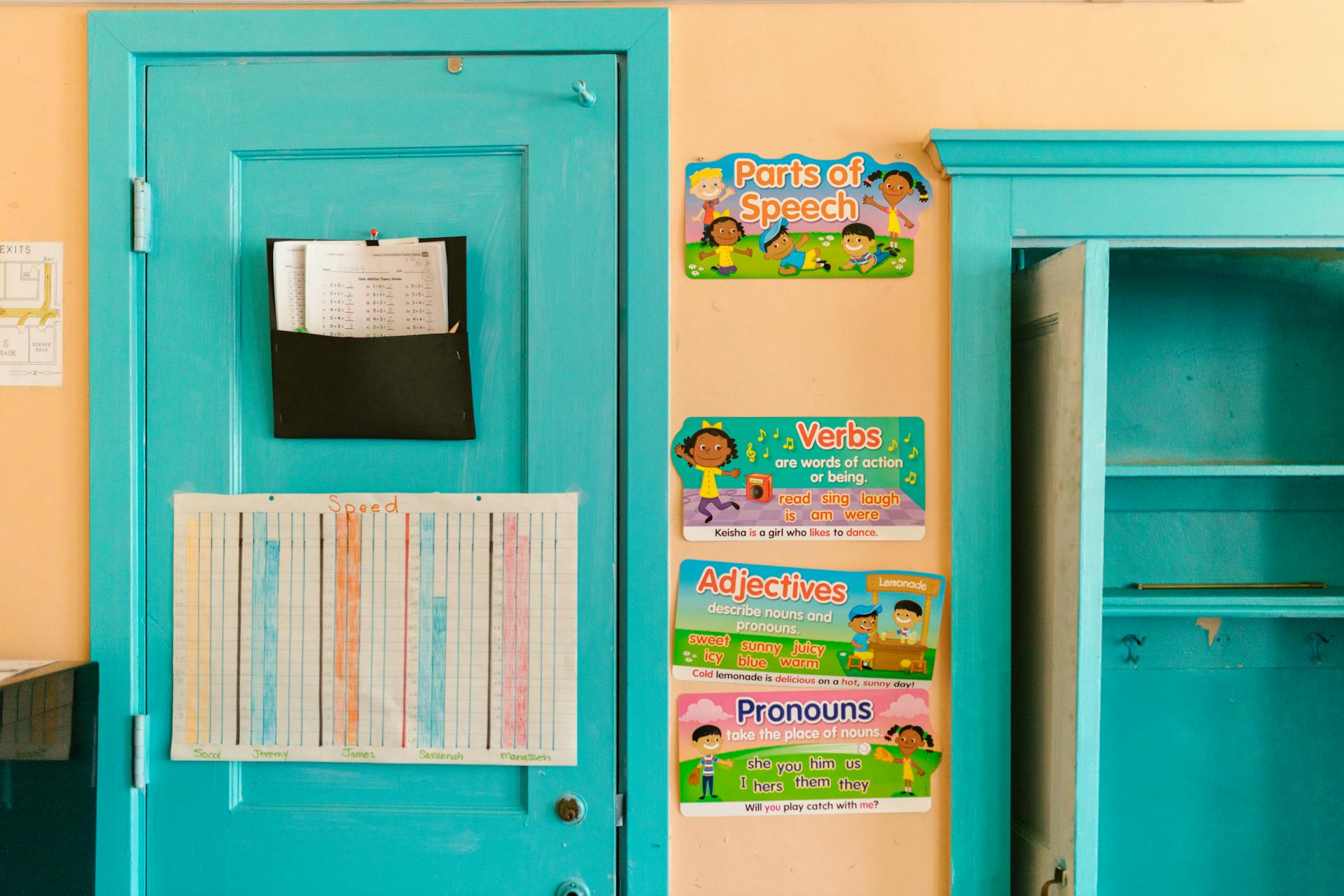
For homeschool families, the New Year is a natural time to integrate goal-setting into daily routines. Young learners (ages 6–12) thrive on visual and interactive activities, so creating colorful SMART goal charts or vision boards can make the process exciting. Parents can guide children to set simple, age-appropriate goals like “Read for 15 minutes every day” or “Complete math practice before lunch.” These goals teach responsibility and time management while connecting to future career skills like planning and prioritization. Incorporating discussions about why these habits matter—such as “Professionals set goals to stay organized”—helps children understand the real-world value. Homeschool settings offer flexibility, so parents can revisit goals weekly and celebrate progress with small rewards, reinforcing accountability and confidence.
The Classroom Connection
In classrooms, goal-setting can become a collaborative experience that builds community and soft skills. Here’s an example to try. As teachers, consider starting the year with a “Goal Circle,” where students share one academic and one personal goal. Then track progress on a classroom board. For younger students, breaking goals into smaller steps is essential. This can look like turning a goal such as “Improve handwriting” into “Practice for 10 minutes daily.” Such language changes with your activities teach focus and perseverance while introducing concepts like timelines and milestones, which mirror project planning in the workforce.
Bonus tip: Group activities like creating vision boards or pairing accountability partners make learning social and fun. By embedding these practices into classroom routines, educators help students see that goal-setting isn’t just for school. Goal setting is a life skill that prepares them for success in any profession.

10 Practical Activities for Teachers & Parents
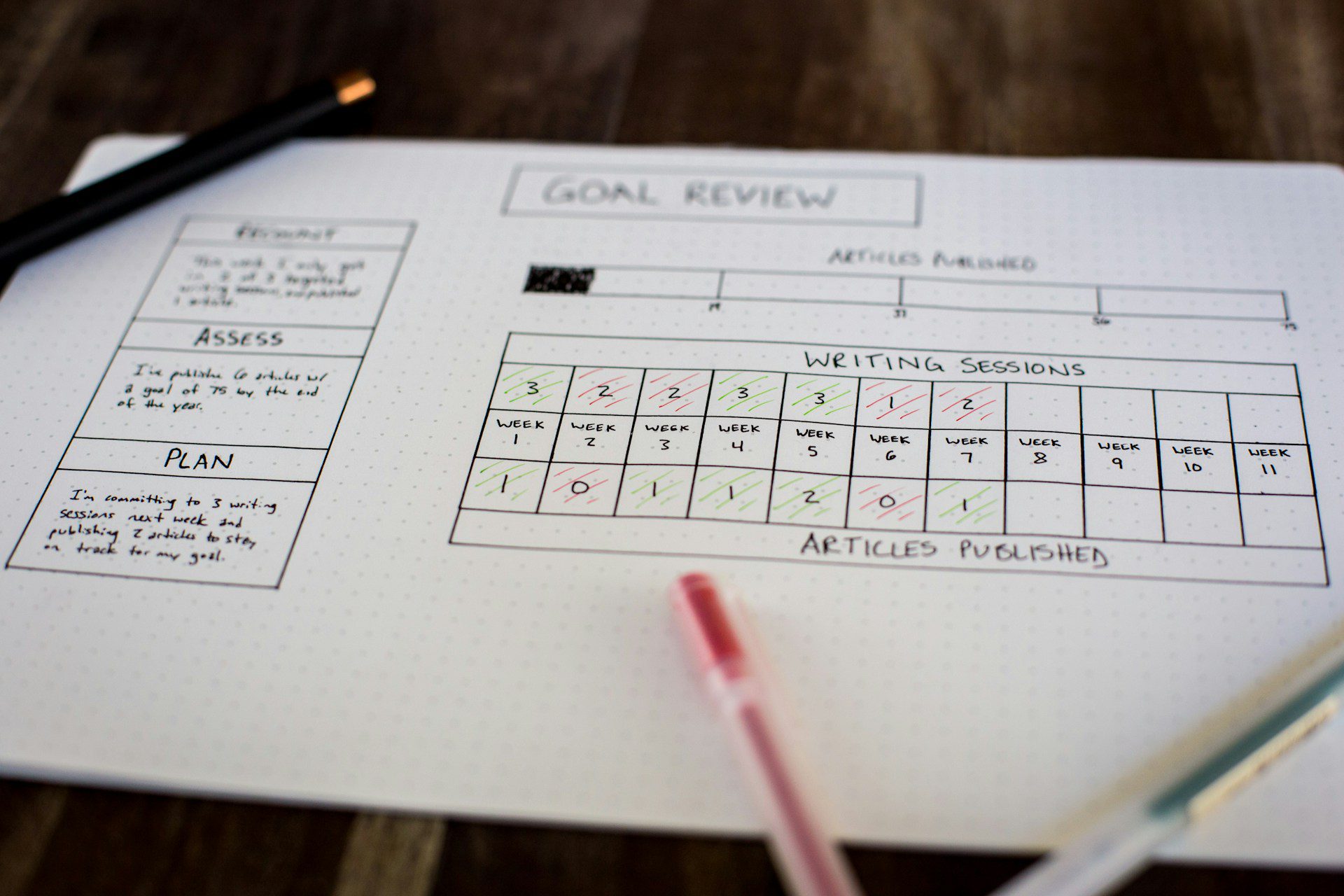
Goal setting is powerful, but it works best when students practice it. These activities turn theory into action, helping students create SMART goals and track progress in fun, engaging ways. Use them in classrooms or at home to make learning practical and inspiring.
1. Write One Academic and One Career SMART Goal
Students create two SMART goals—one for school and one for future skills. This reinforces the connection between academics and career readiness. Here are some actionable steps:
- Explain SMART components with examples.
- Provide a template for writing goals.
- Review goals for clarity and realism.
- Display goals on a classroom board or journal.
2. Create a Vision Board for the New Year
Students design a visual representation of their goals. This makes aspirations tangible and motivating. Here are some actionable steps:
- Gather magazines, printouts, or digital tools.
- Include images and words that represent goals.
- Add timelines and milestones.
- Share boards in a classroom gallery walk.
3. Break a Big Goal into Smaller Steps
Students learn how to chunk goals into manageable tasks. This teaches planning and prioritization. Here are some actionable steps:
- Choose one SMART goal.
- List 3–5 smaller steps to achieve it.
- Assign deadlines for each step.
- Track progress weekly.
4. Pair Up for Accountability Partners
Students team up to support each other’s goals. This builds collaboration and responsibility. Here are some actionable steps:
- Pair students based on similar goals.
- Set weekly check-ins.
- Share progress and challenges.
- Celebrate milestones together.
5. Reflect on Last Year’s Goals and Progress
Students review past resolutions to identify wins and lessons. This encourages growth and resilience. Here are some actionable steps:
- Write down last year’s goals.
- Note what worked and what didn’t.
- Discuss strategies for improvement.
- Share reflections in small groups.
6. Discuss How Professionals Set Goals
Students learn from real-world examples of goal setting. This connects classroom learning to careers. Here are some actionable steps:
- Research goal-setting practices in different industries.
- Share examples from interviews or articles.
- Discuss why goals matter in the workplace.
- Reflect on similarities to student goals.
7. Create a Timeline for Achieving One Goal
Students design a visual timeline for a SMART goal. This reinforces planning and time management. Here are some actionable steps:
- Use paper or digital tools for timelines.
- Mark milestones and deadlines.
- Add checkpoints for progress reviews.
- Display timelines in the classroom.
8. Role-Play a Job Interview Question About Goals
Students practice answering “Tell me about a goal you set and achieved.” This builds confidence for future interviews. Here are some actionable steps:
- Explain the STAR method (Situation, Task, Action, Result).
- Have students prepare answers based on their goals.
- Conduct mock interviews in pairs.
- Provide feedback on clarity and professionalism.
9. Share Goals in a “New Year Career Circle”
Students present their goals in a supportive group setting. This builds communication and accountability. Here are some actionable steps:
- Arrange students in a circle.
- Each shares one academic and one career goal.
- Offer positive feedback and encouragement.
- Record goals for follow-up discussions.
10. Track Progress Weekly for One Month
Students monitor their goals over time. This teaches consistency and reflection. Here are some actionable steps:
- Provide a tracking sheet or app.
- Set weekly check-ins for updates.
- Discuss challenges and solutions.
- Celebrate progress at the end of the month.
Deep Dive: Connection To Career Readiness In Students
Goal setting in learning spaces is not just about checking boxes; it is about shaping habits that last a lifetime. When students learn to set SMART goals, they practice skills like planning, prioritization, and accountability that mirror real-world expectations. These strategies help children see the connection between today’s classroom activities and tomorrow’s career success. Whether it is improving reading fluency or mastering teamwork, every goal becomes a stepping stone toward confidence and independence. By making goal setting part of daily routines, parents and teachers empower young learners to dream big and take actionable steps toward those dreams. This season, let us turn resolutions into results and give students the tools to thrive in school, work, and life.
Let’s Recap
- Goal setting helps young learners build essential skills like time management, planning, and accountability.
- Homeschool families can use SMART goal charts and vision boards to make goal setting fun and interactive.
- Simple, age-appropriate goals such as “Read for 15 minutes daily” teach responsibility and perseverance.
- Classroom strategies like “Goal Circles” and progress boards foster collaboration and soft skills.
- Breaking big goals into smaller steps introduces concepts like timelines and milestones, preparing students for future careers.
- Embedding goal-setting into daily routines empowers students to connect academic habits with real-world success.

Hello There! Nice to meet you 🙂
I am Dr. Danielle Reid. Career education and keeping learning fun really is my jam. No, I am not a formally trained career coach. I am the product of a family that did some crazy-amazing career counseling to help me reach my dreams. Nowadays I find myself doing my own career counseling for my three kids, with a lot more knowledge, tools, and resources to share.