Unlocking Success with the Power of Soft Skills

Imagine having a superpower that makes you a great friend, an awesome team player, and a fantastic problem solver! That’s exactly what soft skills do for kids. These hidden talent abilities, like communication, empathy, and teamwork, help children navigate school and social situations with ease. But the best part? They also set the stage for future career success. Whether it’s collaborating on a big project, leading a team, or handling tricky situations, soft skills are the secret weapons that make kids unstoppable. As career coaches, let’s pour into our young student super heroes and watch them unleash their soft skills in unexpected ways!

Unleashing the Superpower of Communication Skills in the Real World
Preface: Throughout this blog, we will highlight several soft skills (a.k.a superpowers) that can absolutely be unleashed by young students in different ways. Use this blog to help you identify them in your students. Once identified, create the opportunity to help students strengthen such skills. Doing so gives students the greatest gift of building the confidence needed to navigate a long, challenging, and rewarding career journey.
Up first are communication skills. Think of these skills as the ability to transform a child’s future. When children develop strong communication abilities, they gain the confidence to express their ideas clearly, listen actively, and collaborate effectively. These skills are not only essential for personal relationships but also play a crucial role in various career clusters.
What this looks like in the workforce:
Unleashing communication as a soft skill in the workforce is essential for fostering effective collaboration, innovation, and productivity.
- Strong communication skills enable individuals to articulate their ideas clearly, listen actively, and engage in meaningful dialogue with colleagues, clients, and stakeholders.
- Teamwork is emphasized through group projects, sports, and extracurricular activities, where teens learn to collaborate effectively and manage group dynamics.
- It is crucial for building trust, resolving conflicts, and driving successful outcomes in any professional setting. .
By mastering communication, employees can navigate complex situations, present their ideas persuasively, and contribute to a positive work environment.
What this looks now, for the student:
Developing communication skills early on prepares students for future challenges and opportunities. It enhances their ability to participate in class discussions, work on group projects, and express their thoughts confidently. These skills also help students build strong relationships with peers and teachers, creating a supportive learning environment. As they transition, grow older, and eventually transition to the workforce, students with well-honed communication skills are better equipped to adapt to diverse work cultures, collaborate effectively, and lead with confidence.
Communication Skill Impact On The Workforce: Examples
- Healthcare: In the healthcare industry, effective communication is vital for patient care. A nurse with strong communication skills can explain medical procedures to patients in a way that is easy to understand, ensuring they feel comfortable and informed. Additionally, clear communication with doctors and other healthcare professionals is essential for accurate diagnosis and treatment plans. Communication helps create a supportive and efficient healthcare environment.
- Business and Finance: In the business and finance sector, communication skills are key to building relationships with clients and colleagues. A financial advisor who can clearly explain complex financial concepts and investment strategies to clients will gain their trust and confidence. Effective communication also plays a role in team collaboration, ensuring that projects run smoothly and goals are met. This skill drives success in negotiations, presentations, and customer interactions.
- Education and Training: Teachers and trainers rely heavily on communication skills to engage and inspire their students. A teacher who can convey lessons in an engaging and understandable manner helps students grasp difficult concepts and stay motivated. Additionally, strong communication skills enable teachers to provide constructive feedback and foster a positive learning environment. The communication skill enhances the educational experience and supports student success.
- Information (or Digital) Technology: In the technology industry, communication skills are essential for translating technical jargon into understandable language for clients and team members. A software developer who can clearly explain the functionality and benefits of a new application to non-technical stakeholders ensures that everyone is on the same page. Effective communication also facilitates collaboration within development teams, leading to more efficient problem-solving and innovation. By demonstrating strong communication skills, you bridge the gap between technical and non-technical audiences.
- Creative Arts and Media: In the creative arts and media field, communication skills are crucial for expressing ideas and collaborating on projects. A graphic designer who can articulate their vision and understand client feedback will create designs that meet or exceed expectations. Additionally, clear communication within creative teams ensures that projects are completed on time and align with the intended message. This skill enhances creativity and ensures successful project outcomes.

Unleashing the Superpower of Critical Thinking Skills in the Real World
Critical thinking is one of those skills that we really need to spend time, as career coaches, cultivating in young students. This is by far a very powerful soft skill that empowers children to analyze information, solve problems, and make informed decisions. When students develop strong critical thinking abilities, they learn to question assumptions, evaluate evidence, and think independently. These skills are essential for navigating complex situations and achieving success in various career clusters.
What this looks like in the workforce:
Let’s envision how this skill would show up in the same student as an adult in the workforce. Unleashing critical thinking as a soft skill in the workforce is essential for fostering innovation, problem-solving, and informed decision-making. Strong critical thinking skills enable individuals to analyze information, evaluate evidence, and develop creative solutions to complex challenges. This superpower is crucial for adapting to changing environments, identifying opportunities, and driving successful outcomes in any professional setting. By mastering critical thinking, employees can navigate uncertainty, make strategic decisions, and contribute to a culture of continuous improvement.
What this looks now, for the student:
Developing critical thinking skills early on prepares students for future challenges and opportunities. It enhances their ability to analyze information, solve problems, and think independently. These skills also help students build resilience and adaptability, enabling them to thrive in diverse learning environments. As they transition into the workforce, students with well-honed critical thinking skills are better equipped to tackle complex problems, innovate, and lead with confidence.
Critical Skill Impact On The Workforce: Examples
- Healthcare: In the healthcare industry, critical thinking is crucial for diagnosing and treating patients. A doctor with strong critical thinking skills can analyze symptoms, consider possible diagnoses, and determine the best course of treatment. This skill ensures accurate and effective patient care, leading to better health outcomes.
- Business and Finance: In the business and finance sector, critical thinking is key to making strategic decisions. A financial analyst who can evaluate market trends, assess risks, and develop investment strategies helps the company achieve its financial goals. Critical thinking drives innovation and ensures sound decision-making in a competitive market.
- Education and Training: Teachers and trainers rely on critical thinking to develop effective lesson plans and adapt to students’ needs. An educator who can assess students’ understanding, identify gaps in knowledge, and adjust teaching methods accordingly enhances the learning experience. Critical thinking fosters a dynamic and responsive educational environment.
- Information Technology: In the IT industry, critical thinking is essential for troubleshooting and problem-solving. A network engineer who can analyze system issues, identify root causes, and implement solutions ensures the smooth operation of technology infrastructure. This skill enhances efficiency and minimizes downtime.
- Creative Arts and Media: In the creative arts and media field, critical thinking is crucial for developing innovative content. A filmmaker who can analyze audience preferences, evaluate storytelling techniques, and create compelling narratives produces engaging and impactful films. This skill drives creativity and ensures successful project outcomes.


Unleashing the Superpower of Emotional Intelligence in the Real World
Emotional intelligence (EI) is one of those underrated soft skills that as career coaches, we may brush to the side when it comes to development. This may happen for many reasons but one of it could be the lack of understanding of EI as adults and how to model this for young students. As parents, it also may be due to differences in parenting styles that really influence just how much attention we place on strengthening EI in our kids.
The reality is that, whether you are a teacher or parent, as career coaches, we should recognize the value it brings to students. This skill enables children to understand and manage their emotions, empathize with others, and build strong relationships. When students develop high emotional intelligence, they gain the ability to navigate social interactions with ease, handle stress effectively, and make thoughtful decisions. These skills are essential for personal and professional success.
What this looks like in the workforce:
Unleashing emotional intelligence as a soft skill in the workforce is essential for fostering effective communication, collaboration, and leadership. High emotional intelligence enables individuals to understand and manage their emotions, empathize with others, and build strong relationships. EI is crucial for creating a positive work environment, resolving conflicts, and driving successful outcomes in any professional setting. By mastering emotional intelligence, employees can navigate social interactions with ease, handle stress effectively, and contribute to a supportive workplace.
What this looks now, for the student:
Developing emotional intelligence early on prepares students for future challenges and opportunities. It enhances their ability to understand their own emotions, empathize with peers, and build strong relationships. These skills also help students manage stress and navigate social situations, creating a positive and supportive learning environment. As they transition into the workforce, students with high emotional intelligence are better equipped to lead, collaborate, and thrive in diverse work cultures.
Emotional Intelligence Impact on the Workforce: Examples
- Healthcare: In the healthcare industry, emotional intelligence is crucial for patient care and teamwork. A nurse with high EI can recognize and respond to patients’ emotional needs, providing comfort and support during difficult times. Additionally, strong EI helps healthcare professionals collaborate effectively, ensuring a cohesive and compassionate care environment.
- Business and Finance: In the business and finance sector, emotional intelligence is key to leadership and client relations. A manager with high EI can motivate and inspire their team, fostering a positive and productive work environment. Understanding clients’ emotions and needs helps build trust and long-term relationships, driving business success.
- Education and Training: Teachers and trainers rely on emotional intelligence to create supportive and inclusive learning environments. An educator with high EI can recognize students’ emotional states, provide appropriate support, and foster a sense of belonging. This skill enhances student engagement and academic achievement.
- Information (Digital) Technology: In the IT industry, emotional intelligence is essential for teamwork and client interactions. A project manager with high EI can navigate team dynamics, resolve conflicts, and ensure effective collaboration. Understanding clients’ needs and emotions helps deliver user-friendly and impactful technology solutions.
- Creative Arts and Media: In the creative arts and media field, emotional intelligence is crucial for storytelling and collaboration. A filmmaker with high EI can create compelling narratives that resonate with audiences on an emotional level. Strong EI helps creative teams work harmoniously, fostering innovation and successful project outcomes.

Unleashing the Superpower of Problem-Solving Skills in the Real World
Problem-solving always comes in when you need it the most! As career coaches, think about the times you went to YouTube University or did a google search to help solve a problem. Indirectly, you were stretching that problem-solving skill! In students, this is a skill that empowers children to tackle challenges, think critically, and find innovative solutions. When students develop strong problem-solving abilities, they learn to approach obstacles with confidence and creativity.
What this looks like in the workforce:
Unleashing problem-solving as a soft skill in the workforce is essential for fostering innovation, efficiency, and resilience. Strong problem-solving skills enable individuals to approach challenges with confidence, think critically, and develop creative solutions. This skill is crucial for adapting to changing environments, overcoming obstacles, and driving successful outcomes in any professional setting. By mastering problem-solving, employees can navigate uncertainty, make informed decisions, and contribute to a culture of continuous improvement.
What this looks now, for the student:
Developing problem-solving skills early on prepares students for future challenges and opportunities. It enhances their ability to analyze information, think critically, and develop innovative solutions. These skills also help students build resilience and adaptability, enabling them to thrive in diverse learning environments. As they transition into the workforce, students with well-honed problem-solving skills are better equipped to tackle complex problems, innovate, and lead with confidence.
Problem-Solving Impact on the Workforce: Examples
- Healthcare: In the healthcare industry, problem-solving is crucial for diagnosing and treating patients. A doctor with strong problem-solving skills can analyze symptoms, consider various diagnoses, and determine the best course of treatment. This skill ensures effective patient care and improves health outcomes.
- Business and Finance: In the business and finance sector, problem-solving is key to strategic planning and decision-making. A business analyst who can identify market trends, assess risks, and develop innovative solutions helps the company achieve its goals. This skill drives growth and ensures competitive advantage.
- Education and Training: Teachers and trainers rely on problem-solving to adapt lessons and address students’ needs. An educator who can identify learning gaps, develop effective teaching strategies, and implement solutions enhances the educational experience. This skill fosters a dynamic and responsive learning environment.
- Information Technology: In the IT industry, problem-solving is essential for troubleshooting and innovation. A software engineer who can analyze system issues, develop creative solutions, and implement fixes ensures the smooth operation of the technology infrastructure. This skill enhances efficiency and drives technological advancement.
- Creative Arts and Media: In the creative arts and media field, problem-solving is crucial for overcoming creative challenges. A graphic designer who can find innovative ways to meet client expectations and solve design problems produces impactful and engaging work. This skill drives creativity and ensures successful project outcomes.
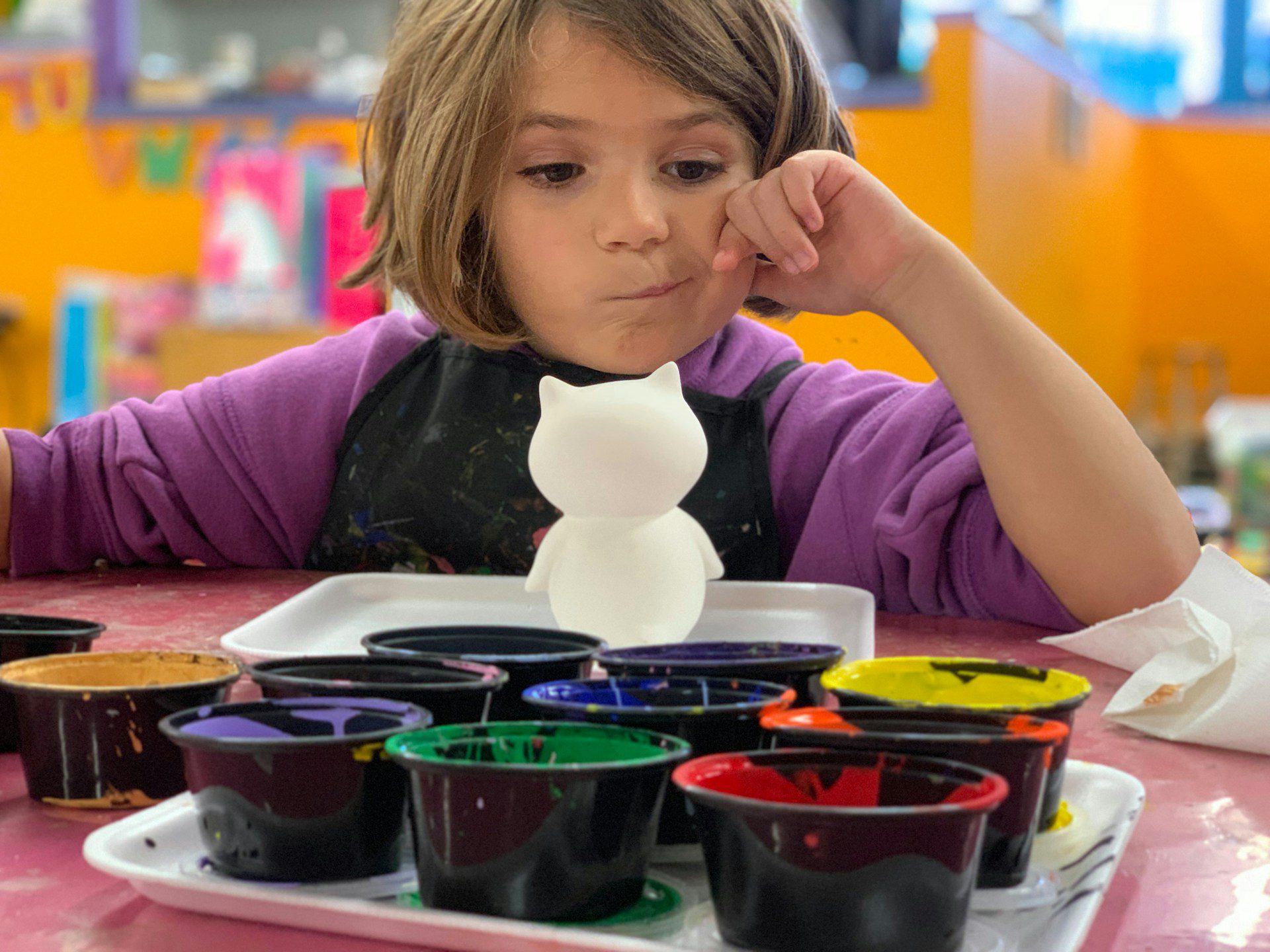
Try It! Practical Strategies To Strengthen These Soft Skills
Consider these engaging activities that you can use to strengthen a few of these soft skills in your students.
- Listen and Recap:
- Resource to check out: WeAreTeachers
- Why this strategy works: This activity helps students practice active listening and clear communication. By pairing up and discussing a topic, students learn to focus on their partner’s words and accurately recap what was said. This enhances their listening skills, respect for others, and interpersonal communication. It encourages mindfulness and improves students’ ability to engage in meaningful conversations.
- No-Hands Cup Stacking Challenge:
- Resource to check out: Symonds Research
- Why This Strategy Works: This hands-on group task requires students to work together to stack cups using a rubber band and string, without touching the cups directly. It fosters teamwork, patience, and problem-solving skills. This is a great activity because it combines fun with learning, encouraging students to collaborate and think creatively to achieve a common goal.
- Service-Learning Projects:
- Resource to check out: WeAreTeachers
- Why This Strategy Works: Organizing service-learning projects, such as a book or food drive, helps students develop empathy, responsibility, and teamwork. These projects involve planning, organizing, and executing tasks that benefit the community. Overall, this activity reinforces the value of giving back while developing essential soft skills that will serve them well in their future careers.

Hello There! Nice to meet you 🙂
I am Dr. Danielle Reid. Career education and keeping learning fun really is my jam. No, I am not a formally trained career coach. I am the product of a family that did some crazy-amazing career coaching to help me reach my dreams. Nowadays I find myself doing my own career coaching for my three kids, with a lot more knowledge, tools, and resources to share.