From Class To Career – Get A Job

High school is a time of growth, learning, and exploration. The experiences you gain during these years, whether through extracurricular activities, part-time jobs, or classroom projects, can significantly impact your future. Even the struggles you may have faced dealing with financial troubles at home, your family dynamics, friendships broken, or friendships gained….count it all as a learning experience needed to get you to this next step, life after school. As you transition from high school to the next phase of your life, it’s essential to recognize how these experiences can be applied to your future careers and college life. Like we always advocate for at Think Skill Tools, you must have a game plan in place as you navigate your career journey. This blog speaks to this as we explore how you can leverage your high school experiences to build a strategic, successful, and fulfilling future.

The Value of Extracurricular Activities
There are so many ways to define extracurricular in school such as: Going to the gym to get those reps in, making your latest TikTok video or Instagram reel, volunteering your time at a summer camp for young kids, working that part-time job at one of the big box stores, playing recreational sports with your friends. Extracurricular activities are extremely valuable tools in your life. They keep you well-rounded as a person and they help break up what can be a somewhat boring nature of constantly learning something new in a textbook or classroom. These activities also play a crucial role in your personal and professional development. They provide opportunities to develop essential skills, build relationships, and explore your interests that very well could be your future career goals.
How Extracurricular Activities Translate to the Real World:
- Leadership Skills: Participating in leadership roles within clubs or sports teams helps you develop the ability to motivate and guide others. These skills are valuable in both the workforce and higher education, where leadership is often required.
- Teamwork: Working with others towards a common goal, whether in a sports team or a club, teaches you the importance of collaboration and cooperation. Teamwork is a critical skill in almost every career and academic setting.
- Time Management: Balancing extracurricular activities with schoolwork requires effective time management. This skill is essential for managing the demands of college life and the workforce.
- Communication: Engaging in activities that require public speaking, group discussions, or presentations helps you develop strong communication skills. Effective communication is vital in both professional and academic environments.
Examples of Applying Extracurricular Experiences:
- College Applications: Highlight your leadership roles, teamwork experiences, and achievements in your college applications. Admissions officers look for well-rounded students who have demonstrated commitment and leadership.
- Job Interviews: Use examples from your extracurricular activities to illustrate your skills and experiences during job interviews. Employers value candidates who have demonstrated leadership, teamwork, and communication abilities.

The Impact of Part-Time Jobs
Part-time jobs provide valuable real-world experience and help you develop essential skills that are transferable to your future career and college life. These jobs teach you responsibility, work ethic, and practical skills that are highly valued by employers and educational institutions.
How Part-Time Jobs Translate to the Real World:
- Customer Service Skills: Working in retail, food service, or other customer-facing roles helps you develop strong customer service skills. These skills are valuable in many careers, as they involve communication, problem-solving, and empathy.
- Work Ethic: Balancing a part-time job with schoolwork demonstrates a strong work ethic and the ability to manage multiple responsibilities. This quality is highly regarded by both employers and college admissions officers.
- Financial Responsibility: Earning and managing your own money teaches you financial responsibility and budgeting skills. These skills are essential for managing your finances in college and beyond.
- Professionalism: Part-time jobs provide opportunities to learn about workplace expectations, such as punctuality, dress code, and professional behavior. Understanding these expectations prepares you for future professional environments.
Examples of Applying Part-Time Job Experiences:
- Resume Building: Include your part-time job experiences on your resume, highlighting the skills and responsibilities you developed. Employers appreciate candidates with real-world work experience.
- College Essays: Use your part-time job experiences as examples in your college essays to demonstrate your work ethic, responsibility, and commitment.


Leveraging Classroom Projects
There may be a love-hate relationship with those class projects. Depending on the subject matter and depth of learning required, you may fall within the group of absolutely not loving a class project. If you are a strong, independent thinker and prefer to work alone, you really may not enjoy them compared to those who thrive on engaging with people and are extroverted. Regardless of where you stand with your view of a class project, they are extremely valuable for your future. Classroom projects, whether individual or group-based, provide opportunities to develop critical thinking, problem-solving, and research skills. These projects often require you to apply theoretical knowledge to practical situations, develop your communication skills in a teamwork environment, and collectively prepare you for future academic and professional challenges.
How Classroom Projects Translate to the Real World:
- Critical Thinking: Engaging in research and analysis for classroom projects helps you develop critical thinking skills. These skills are essential for making informed decisions and solving complex problems in both academic and professional settings.
- Problem-Solving: Tackling challenges and finding solutions in classroom projects teaches you problem-solving skills. Employers and educational institutions value individuals who can think creatively and develop effective solutions.
- Research Skills: Conducting research for projects helps you develop the ability to gather, analyze, and interpret information. These skills are valuable in many careers and academic disciplines.
- Presentation Skills: Presenting your findings to classmates or teachers helps you develop public speaking and presentation skills. These skills are crucial for effectively communicating your ideas in both professional and academic environments.
Examples of Applying Classroom Project Experiences:
- College Coursework: The research, critical thinking, and problem-solving skills you develop through classroom projects will be invaluable in your college coursework. These skills will help you excel in assignments, exams, and group projects.
- Professional Development: Use examples from your classroom projects to demonstrate your analytical and problem-solving abilities during job interviews. Employers value candidates who can apply theoretical knowledge to practical situations.

Combining High School Experiences for Success
If you take a look at all three aspects, extracurricular activities, part-time jobs, and classroom projects, you can help establish a well-rounded foundation for your future. Here are some strategies to help you leverage these three specific experiences effectively:
- Create a Comprehensive Resume: Include your extracurricular activities, part-time jobs, and classroom projects on your resume. Highlight the skills and achievements you gained from each experience.
- Reflect on Your Experiences: Take time to reflect on what you learned from each experience and how it has shaped your interests and goals. Understanding the value of your experiences can help you articulate them effectively in college applications and job interviews.
- Seek Mentorship: Connect with teachers, counselors, and professionals who can provide guidance and support. Mentors can help you identify how your high school experiences can be applied to your future career and educational goals.
- Set Goals: Use your high school experiences to set specific career and educational goals. Identify the skills and knowledge you want to develop further and create a plan to achieve your aspirations.
- Stay Open to New Opportunities: Be open to exploring new experiences and opportunities that align with your interests and goals. Continuously seek ways to build on your high school experiences and expand your skillset.
Your high school experiences, whether through extracurricular activities, part-time jobs, or classroom projects, provide valuable skills and insights that can be applied to your future career and college life. Keep in mind, you are just scratching the surface with these experiences. Take inventory of other experiences in your life that have shaped you. They very well may be key drivers to help you prepare and navigate your career journey.
The important takeaway is that by recognizing the importance of these experiences and leveraging them effectively, you can build a strong foundation for success. Remember to reflect on what you’ve learned, seek mentorship, and set clear goals for your future. With the skills and experiences gained in high school, you can navigate the challenges and opportunities that lie ahead with confidence and competence.
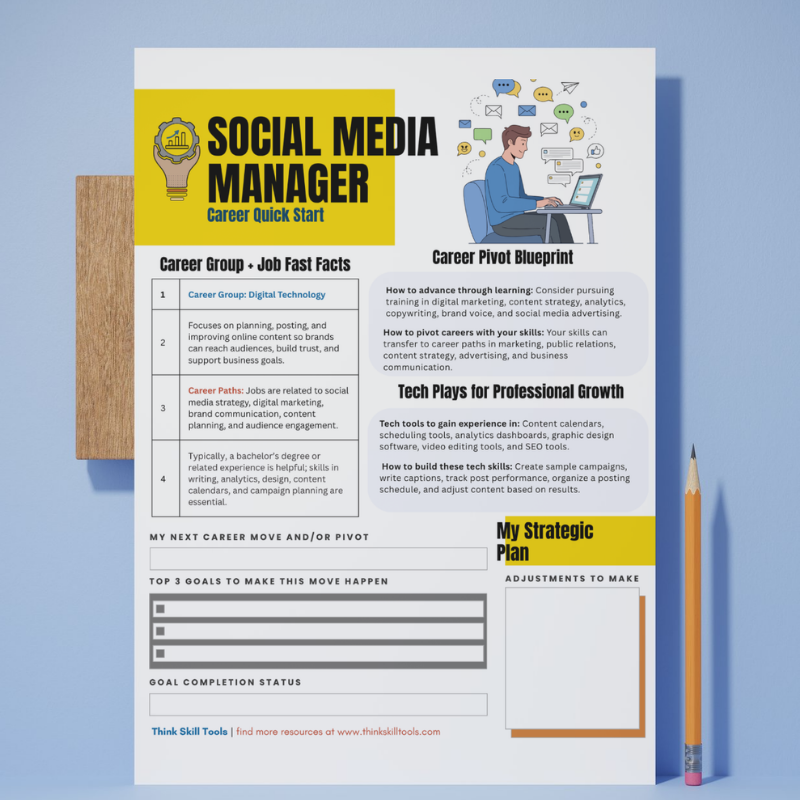
You have the skills to make this transition. Use our resources to help you visualize those next steps.
We Have the Resources to Help You do this

Hello There! Nice to meet you 🙂
I am Dr. Danielle Reid. Career education and keeping learning fun really is my jam. No, I am not a formally trained career coach. I am the product of a family that did some crazy-amazing career coaching to help me reach my dreams. Nowadays I find myself doing my own career coaching for my three kids, with a lot more knowledge, tools, and resources to share.