How To Decide What To Do After High School

Graduating from high school is a significant milestone and deciding what to do next can feel overwhelming. With so many options available, it’s essential to have a clear roadmap to guide you through this transition. In this blog, we’ll provide actionable steps to help you make informed decisions about your future. Whether you’re considering college, vocational training, entering the workforce, or taking a gap year, we’ll explore practical strategies to evaluate your interests, set goals, and plan your next steps. By breaking down the decision-making process into manageable steps, you’ll gain clarity and confidence in your choices. After all that is what we do best at Think Skill Tools – help you realize you can really do anything that you want with a strategic plan! Let’s embark on this journey together, ensuring you feel prepared and empowered to take the next big step in your life.

Creating My Plan After High School
Deciding what to do after high school can be challenging, especially if you have limited access to resources or if financial responsibility is weighing on your mind. It’s ok – do not let these pressures consume you. One of the best ways to navigate feeling that sort of pressure is to create a plan that is personalized to you. We are sharing a simple, yet straightforward approach to create a plan that works best for you. As you read through this step-by-step process remember to personalize it to your needs and adjust. If you are struggling with how to personalize this to your needs, use the examples to help you visualize what the step would look like in your life.
You got this – inhale…exhale…grab your journal or sheet of paper and let’s start creating this roadmap!

Step 1: Self-Assessment
- Objective: Understand your interests and strengths.
- Action: Think about what you enjoy doing and what you’re good at. Consider the subjects you like, the activities you participate in, and the skills you have.
- Example: If you enjoy helping others and are good at listening, you might be interested in a career in healthcare or social work.
- Tools You Can Use: Use a notebook to jot down your thoughts and ideas. Talk to friends, family, or teachers to get their perspective on your strengths.
Step 2: Research Careers
- Objective: Explore different career options.
- Action: Look into various careers that match your interests. Find out what these jobs involve and what skills are needed.
- Example: If you’re interested in technology, research jobs like IT support, web development, or graphic design.
- Tools You Can Use: Use free online resources like YouTube, career websites, and library books to learn about different careers.
Step 3: Set Goals
- Objective: Define your career goals.
- Action: Set clear and achievable goals for yourself. Think about what you want to accomplish in the next few years.
- Example: If you want to become a mechanic, your goal might be to find an apprenticeship or entry-level job in an auto repair shop.
- Tools You Can Use: Write down your goals in your notebook and break them into smaller steps.
Step 4: Gain Experience
- Objective: Get practical experience.
- Action: Look for opportunities to gain experience through part-time jobs, volunteering, or internships.
- Example: If you’re interested in teaching, volunteer to tutor younger students or help out at a local community center.
- Tools You Can Use: Ask around in your community, check local job boards, and talk to people who might know of opportunities.
Step 5: Develop Skills
- Objective: Build the skills needed for your chosen career.
- Action: Focus on developing relevant skills. This could include learning new things on your own or taking free online courses.
- Example: If you want to become a graphic designer, practice using free design software and watch tutorials online.
- Tools You Can Use: Use free resources like Khan Academy, Coursera, and YouTube to learn new skills.

Step 6: Seek Mentorship
- Objective: Get guidance from experienced people.
- Action: Find mentors who can offer advice and support. This could be teachers, family members, or community leaders.
- Example: If you’re interested in business, talk to local business owners and ask for their advice.
- Tools You Can Use: Reach out to people in your community and ask if they can help you. Are you more of a social media user – use that as a resource to see what is available to you as a form of mentorship. Remember, mentorship looks very different in our world nowadays. You have to be creative and use strong filtering tools when it comes to not just selecting where you will seek mentorship, but also what advice you will take from anyone mentoring you. It is ok to say no if the advice you receive does not quite match what you need.
Step 7: Create a Plan
- Objective: Develop a simple action plan.
- Action: Outline the steps you need to take to reach your goals. Include timelines and resources you need.
- Example: If your goal is to become a nurse, your plan might include researching nursing programs, applying for scholarships, and gaining volunteer experience.
- Tools You Can Use: Use your notebook to write down your plan and track your progress.
Step 8: Stay Flexible
- Objective: Be open to new opportunities.
- Action: Understand that plans can change. Be open to exploring new interests and adjusting your goals as needed.
- Example: If you discover a new passion for photography while volunteering, consider incorporating this interest into your career plan.
- Tools You Can Use: Regularly review your plan and make adjustments as you learn more about yourself and your options.
With these steps, you have the basics to create a clear and actionable career plan. Use the information you have to navigate your future with confidence. Remember, success is defined by your personal goals and aspirations – not what someone projects onto your life. If you focus on the latter, you may run into the problem of pursuing something that is not true to what you want, but rather a dream or career that is someone else’s. We have an entire blog on our parent site Science L.E.A.F, about imposter syndrome if you want to understand this more. Trust in your ability to create a fulfilling and rewarding career path that aligns with your passions and strengths.
Whether you follow these steps or tweak them to make your action plan, the important thing is to have a strategy. Your strategic plan is your roadmap (or blueprint) that helps you make informed decisions about your future. It also helps you walk in a sense of surety that you are pursuing a career that aligns with your passions and goals. Take your time. Explore your options. Trust in your ability to create a fulfilling and successful path.
Trust yourself to make a strategic plan. You absolutely can do it.
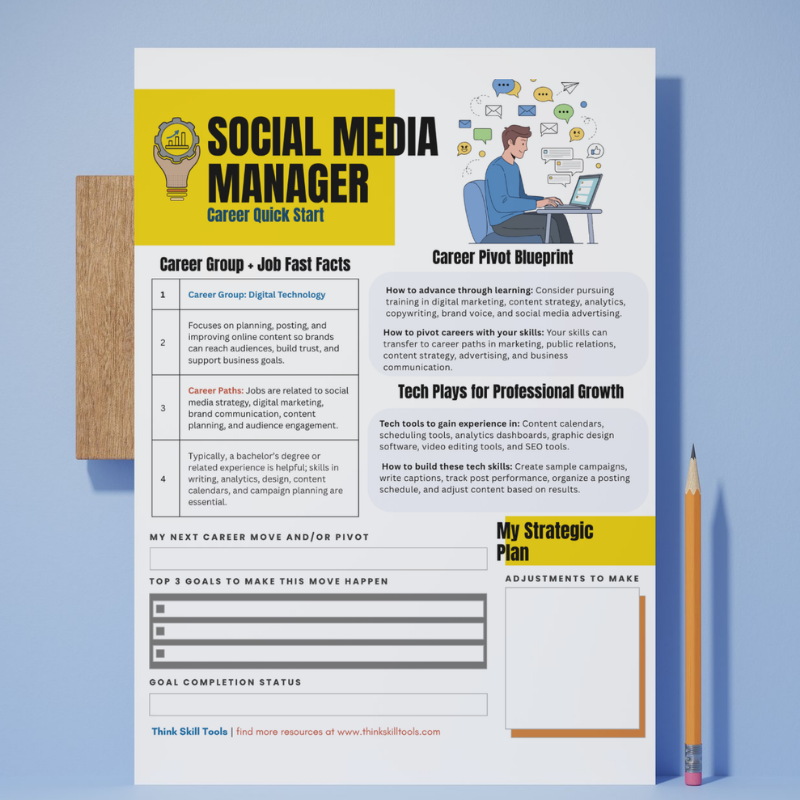
Use our resources to help.

Hello There! Nice to meet you 🙂
I am Dr. Danielle Reid. Career education and keeping learning fun really is my jam. No, I am not a formally trained career coach. I am the product of a family that did some crazy-amazing career coaching to help me reach my dreams. Nowadays I find myself doing my own career coaching for my three kids, with a lot more knowledge, tools, and resources to share.