Your Skills Matter After High School

If you are preparing to (or a recent graduate of) high school making that transition into the next phase of your life is around the corner. Whether it’s entering the workforce or pursuing higher education, you must continue to develop the essential skills vital for your success. These skills (primarily your soft skills) not only help you excel in your chosen career but also enhance your overall personal and professional growth. In this blog, we’ll focus on key soft skills such as communication, teamwork, and problem-solving that are valuable in both the workforce and post-graduation studies (think college or graduate school). By honing these abilities, you can navigate the challenges and opportunities that lie ahead with confidence and competence.

The Art And Science Of Communicating
Effective communication is one of the most important skills you can develop. It involves the ability to convey information clearly and accurately, listen actively, and engage in meaningful conversations. Strong communication skills are essential in both the workforce and higher education, as they enable you to build relationships, collaborate with others, and express your ideas effectively.
Why Communication Skills Matter:
- Workforce: In the workplace, clear communication is vital for teamwork, customer service, and leadership. Whether you’re writing emails, giving presentations, or participating in meetings, the ability to communicate effectively can enhance your professional reputation and contribute to your success.
- Higher Education: In college or vocational school, communication skills are crucial for academic success. You’ll need to write essays, participate in class discussions, and collaborate on group projects. Effective communication can help you articulate your thoughts, engage with peers, and build relationships with professors.

Suggested Ways to Develop Your Communication Skills:
- Practice Active Listening: Focus on truly understanding what others are saying by listening attentively, asking questions, and providing feedback. Active listening helps you build rapport and respond thoughtfully.
- Improve Writing Skills: Work on writing clear and concise emails, essays, and reports. Pay attention to grammar, punctuation, and structure to ensure your written communication is professional and effective.
- Enhance Public Speaking: Practice speaking in front of groups to build confidence and improve your ability to convey information clearly. Join clubs like Toastmasters or participate in school debates to gain experience.
- Seek Feedback: Ask for feedback from teachers, peers, and mentors on your communication skills. Use their insights to identify areas for improvement and make necessary adjustments.

Strengthening Your Teamwork Skills
Teamwork, as the name implies, is the ability to work effectively with others. This includes working towards a common goal like winning a game, completing a task, or simply getting a job done! In both the workforce and higher education, collaboration is often essential for success. Even if you are working remotely, chances are you will interact with people just as if you were in an office setting and working with people in person. Developing strong teamwork skills can help you build positive relationships, contribute to group efforts, and achieve shared objectives.
Why Teamwork Skills Matter:
- Workforce: Many jobs require you to work as part of a team, whether it’s collaborating on projects, solving problems, or providing customer service. Strong teamwork skills can enhance your ability to contribute to group efforts and achieve collective goals.
- Higher Education: In college or vocational school, you’ll often need to work on group projects, participate in study groups, and engage in collaborative learning. Effective teamwork can help you share ideas, divide tasks, and achieve academic success.
How to Develop Teamwork Skills:
- Participate in Group Activities: Join clubs, sports teams, or volunteer organizations that require collaboration. These experiences can help you develop your ability to work with others and contribute to group efforts.
- Practice Conflict Resolution: Learn how to address and resolve conflicts in a constructive manner. Effective conflict resolution involves active listening, empathy, and finding mutually beneficial solutions.
- Build Trust and Respect: Foster trust and respect within your team by being reliable, supportive, and respectful of others’ opinions and contributions. Building positive relationships can enhance team cohesion and effectiveness.
- Communicate Clearly: Ensure that you communicate openly and honestly with your team members. Clear communication helps prevent misunderstandings and ensures that everyone is on the same page.

Sharpening Your Problem-Solving Skills
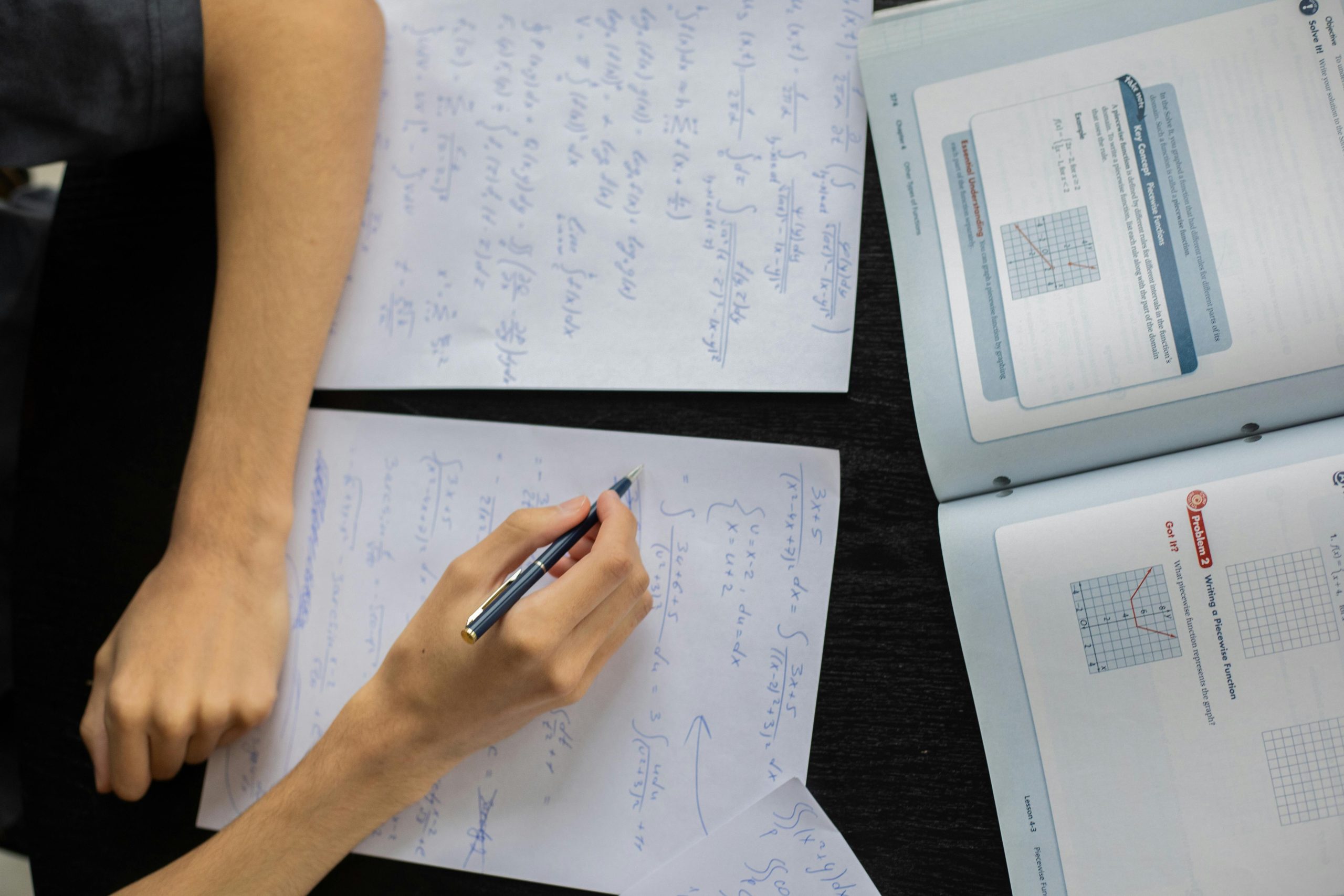
Problem-solving is the ability to identify, analyze, and resolve issues effectively. This skill is highly valued in both the workforce and higher education, as it enables you to navigate challenges, make informed decisions, and achieve your goals.
Why Problem-Solving Skills Matter:
- Workforce: In the workplace, problem-solving skills are essential for addressing challenges, improving processes, and making decisions. Employers value employees who can think critically, analyze situations, and develop effective solutions.
- Higher Education: In college or vocational school, problem-solving skills are crucial for academic success. You’ll need to tackle complex assignments, conduct research, and develop innovative solutions to academic challenges.
Suggestions To Further Develop Your Problem-Solving Skills:
- Practice Critical Thinking: Engage in activities that require you to think critically, such as puzzles, brainteasers, and strategic games. Critical thinking helps you analyze situations and develop logical solutions.
- Learn from Experience: Reflect on past experiences where you successfully solved problems. Identify the strategies you used and consider how you can apply them to future challenges.
- Seek Diverse Perspectives: Collaborate with others to gain different viewpoints and insights. Diverse perspectives can help you identify new solutions and approaches to problems.
- Stay Calm Under Pressure: Develop the ability to remain calm and focused when faced with challenges. Staying composed allows you to think clearly and make rational decisions.
Combining Key Skills for Success
While communication, teamwork, and problem-solving are essential skills on their own, combining them can lead to even greater success. Here are some strategies to help you integrate these skills into your personal and professional life:
- Engage in Collaborative Projects: Participate in projects that require you to work with others, communicate effectively, and solve problems. These experiences can help you develop and refine your skills in a real-world context.
- Seek Leadership Opportunities: Take on leadership roles in clubs, organizations, or group projects. Leadership positions often require strong communication, teamwork, and problem-solving skills, providing you with valuable opportunities to practice and develop these abilities.
- Pursue Continuous Learning: Stay committed to learning and improving your skills. Attend workshops, take courses, and seek feedback to enhance your abilities and stay competitive in both the workforce and higher education.
- Build a Support Network: Connect with peers, mentors, and professionals who can provide guidance and support. Building a strong support network can help you navigate challenges and achieve your goals.
We are only scratching the surface with the types of soft skills to consider as you make the transition from high school to the real world. Take some time to identify soft skills you developed in school. Then, consider how you can further refine them to get you ready for your next steps, which would benefit your future career self.
Developing essential skills such as communication, teamwork, and problem-solving is crucial for success after high school. These abilities not only help you excel in your chosen career but also enhance your overall personal and professional growth. By honing these skills, you can navigate the challenges and opportunities that lie ahead with confidence and competence. Remember to practice, seek feedback, and stay committed to continuous learning. With these skills in your toolkit, you can achieve your career and educational aspirations and build a rewarding future.
Use Your Soft Skills To Get Yourself Career-Ready.
We Have the Resources to Help You do this

Hello There! Nice to meet you 🙂
I am Dr. Danielle Reid. Career education and keeping learning fun really is my jam. No, I am not a formally trained career coach. I am the product of a family that did some crazy-amazing career coaching to help me reach my dreams. Nowadays I find myself doing my own career coaching for my three kids, with a lot more knowledge, tools, and resources to share.